Louvre Museum
About Louvre Museum
🏛️ The Ultimate Louvre Museum Guide: Masterpieces, Maps & Insider Secrets for Your Paris Visit 🇫🇷
Welcome to the Musée du Louvre, the undisputed king of the art world.
Housing over 35,000 displayed artworks across 400+ rooms, the Louvre is not just a museum; it is a sprawling, majestic former royal palace that spans over 800 years of French history. From the enigmatic smile of the Mona Lisa to the soaring marble wings of the Winged Victory of Samothrace, stepping inside the Louvre is a bucket-list experience that draws nearly 10 million visitors every single year.
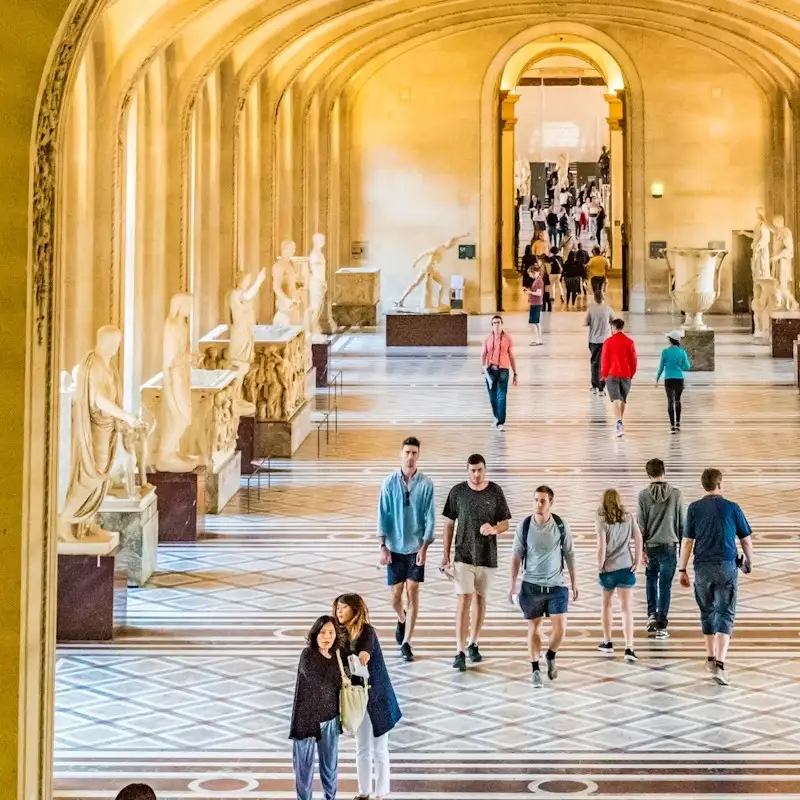
But here is the hard truth: The Louvre can be overwhelming. Without a plan, it is incredibly easy to get lost in its labyrinthine corridors, succumb to “museum fatigue,” or spend your entire visit staring at the back of a stranger’s head in a crowded gallery.
Fear not! This comprehensive, SEO-optimized Louvre Museum Guide is designed to turn you from a lost tourist into a savvy art explorer. We will cover everything from entrance hacks and wing navigation to the absolute must-see masterpieces and survival tips.
Let’s unlock the doors to the world’s greatest museum! 🗝️👇
📋 Section 1: The Essential Need-to-Know Facts
Before you even pack your bags for Paris, memorize these crucial details:
- 📍 Location: Rue de Rivoli, 75001 Paris, France (1st Arrondissement, Right Bank of the Seine).
- 🚇 Nearest Metro: Palais Royal – Musée du Louvre (Lines 1 & 7).
- ⏰ Opening Hours:
- Monday, Wednesday, Thursday, Saturday, Sunday: 9:00 AM – 6:00 PM
- Wednesday & Friday Nights: Open late until 9:45 PM (The absolute best time to visit!).
- 🚫 Closed: Tuesdays (Do not plan your visit on a Tuesday, the museum is completely closed!).
- 🎟️ Ticketing: You must book timed-entry tickets online in advance. Walk-up ticket booths are practically obsolete.
- ⏱️ Recommended Time: 3 to 5 hours (Minimum 2 hours if you are just doing a “highlight sprint”).
🏰 Section 2: A Tale of Two Architectures (The Fortress & The Pyramid)
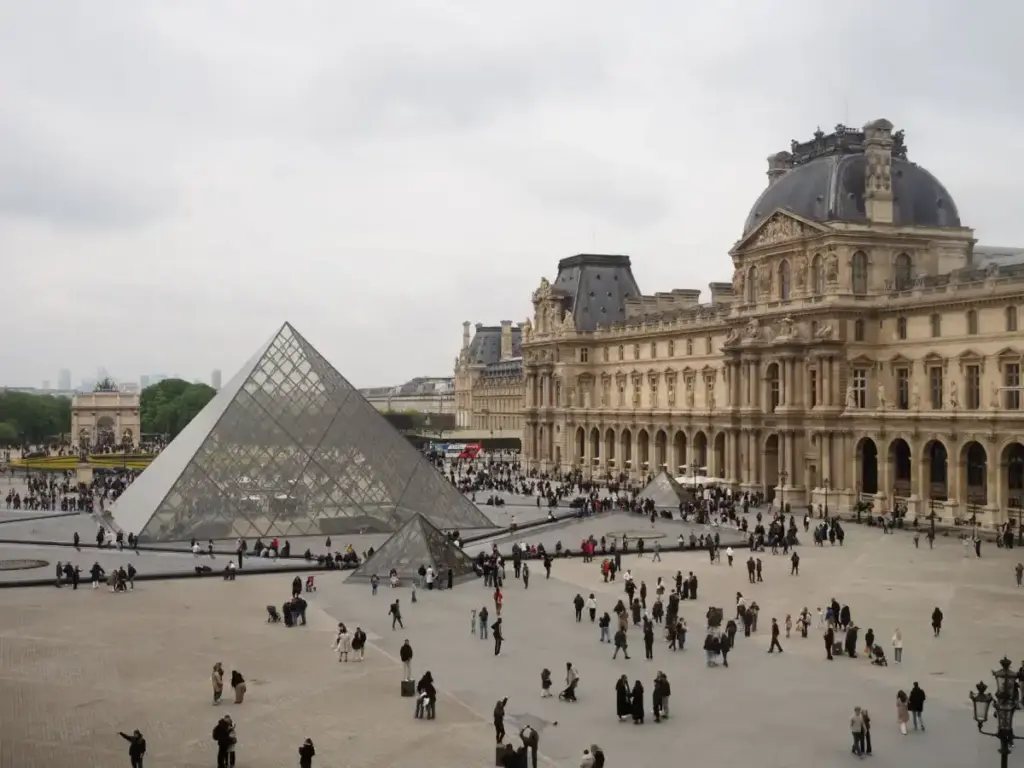
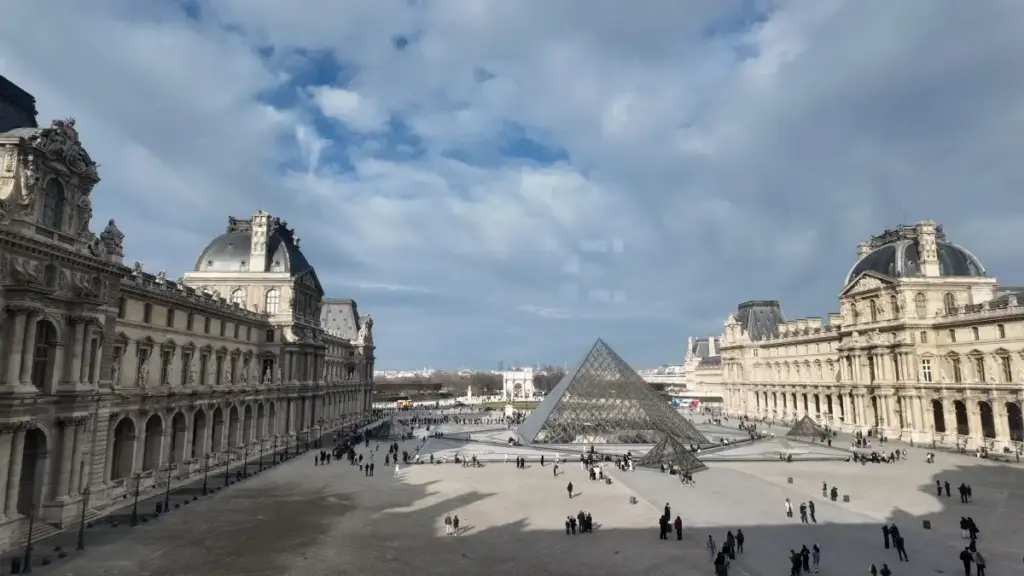
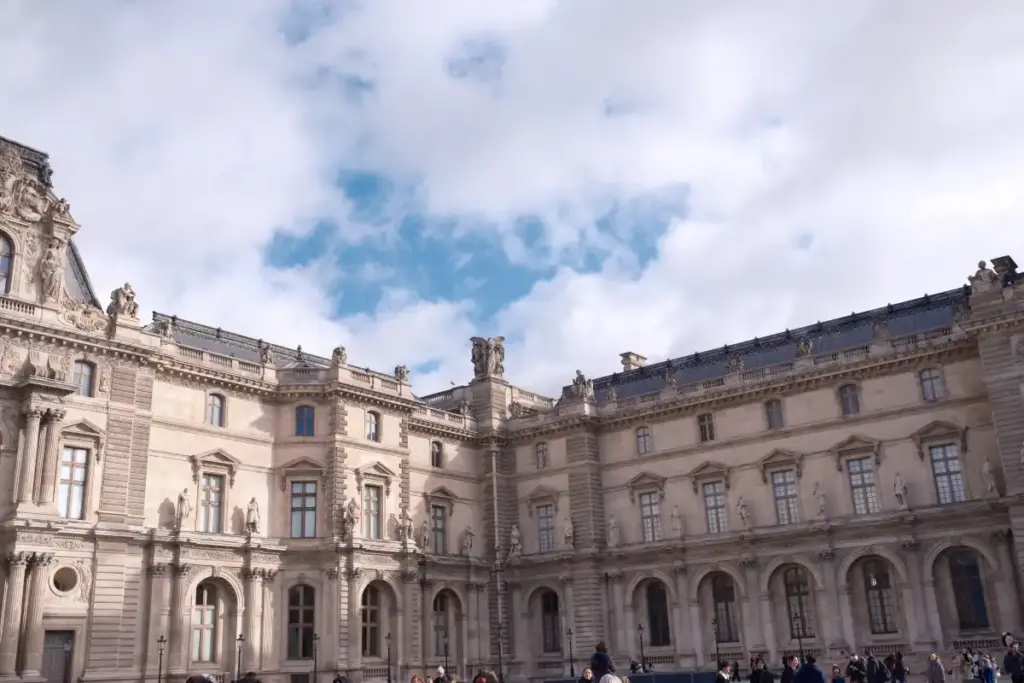
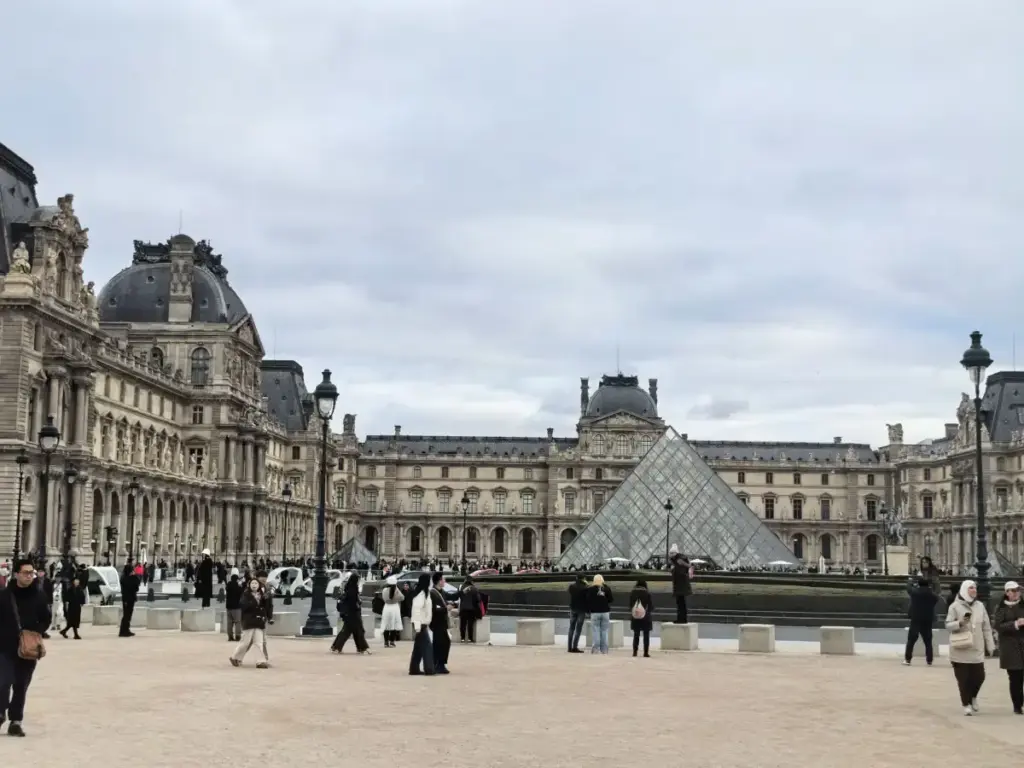
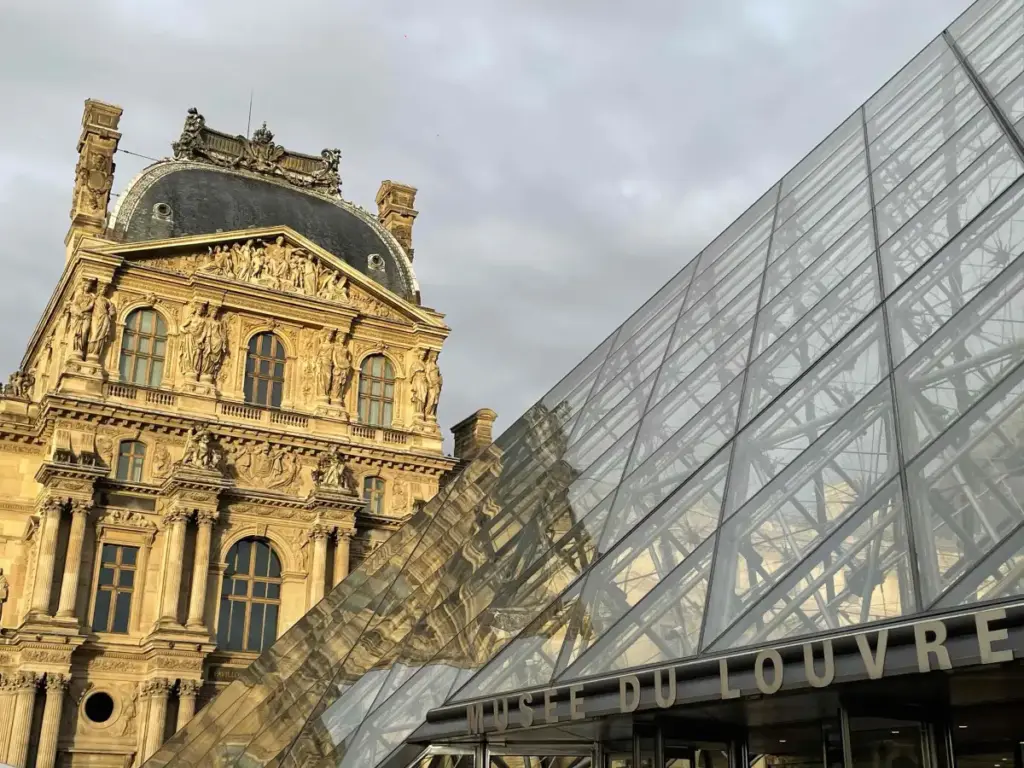
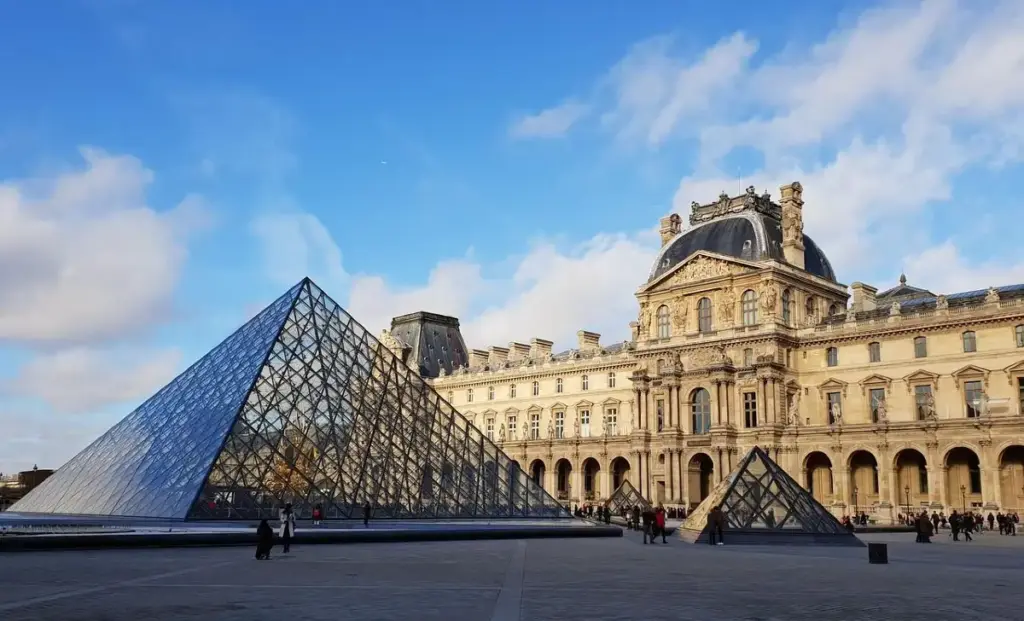
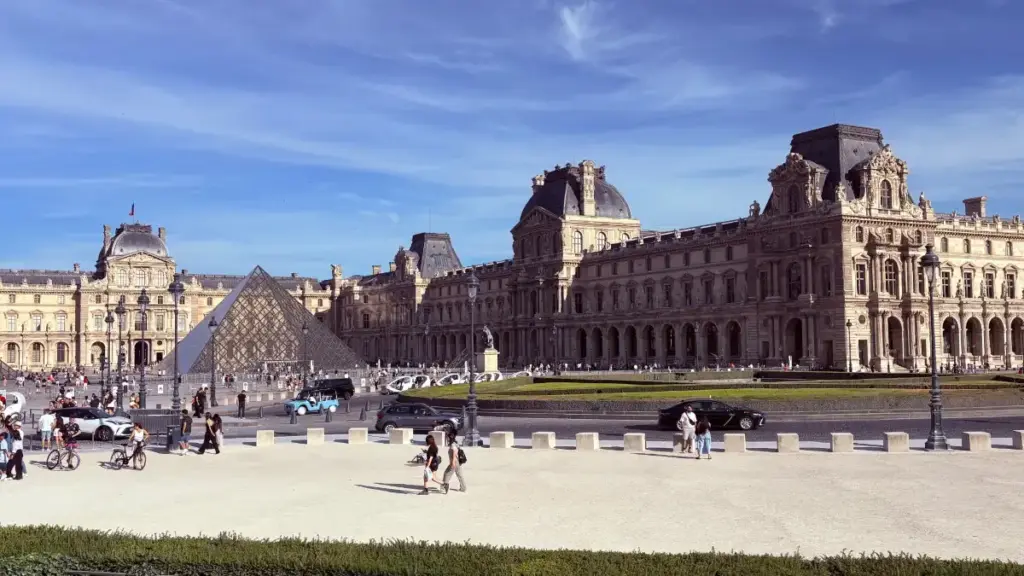
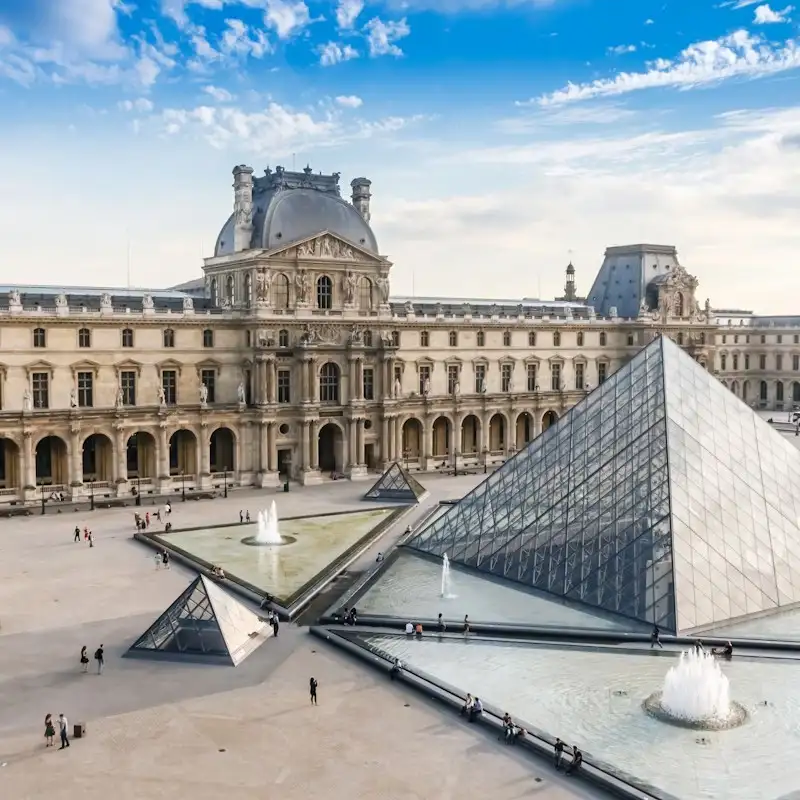
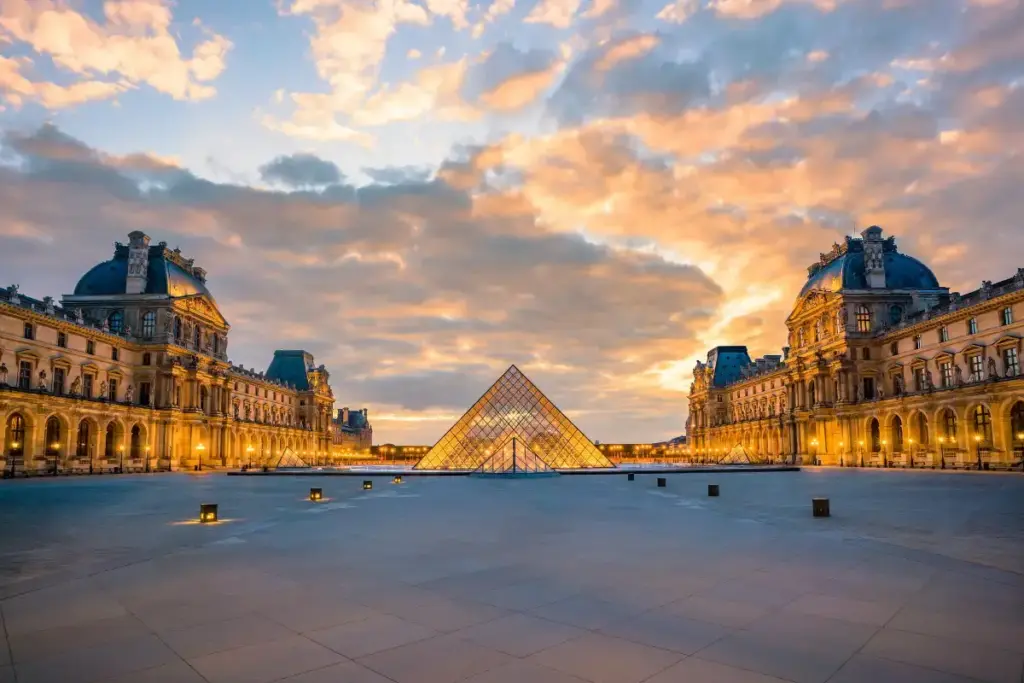
When you arrive at the Louvre, you are actually looking at two completely different eras of architectural genius colliding in the most beautiful way possible.
🧱 The Historic Palace
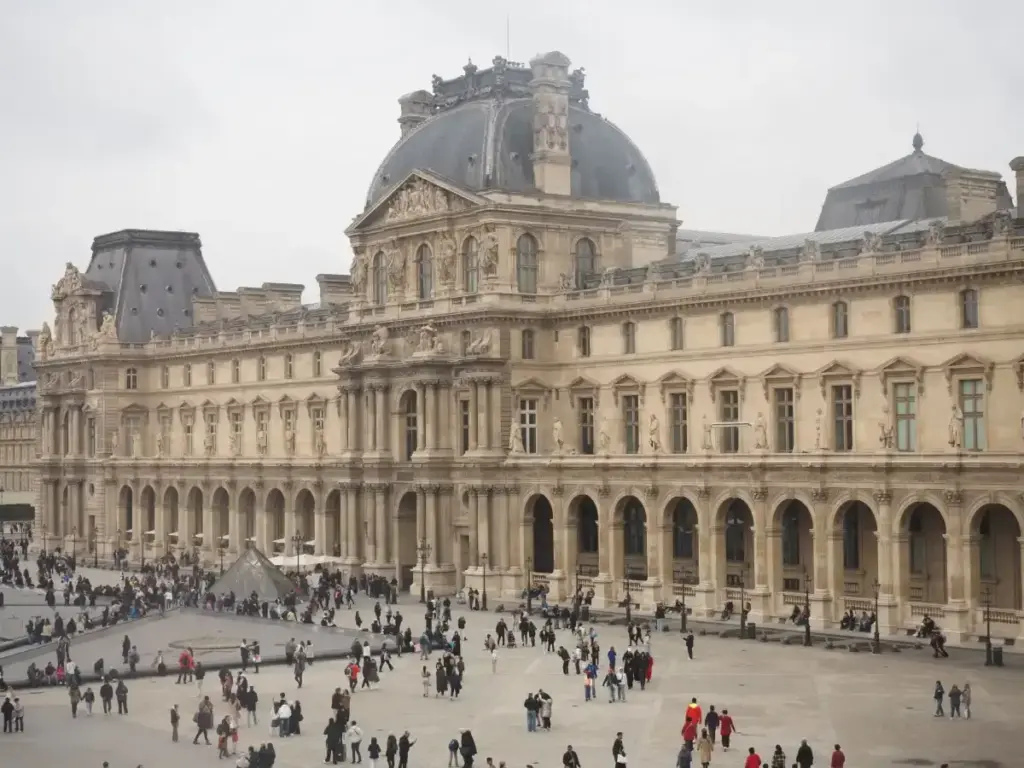
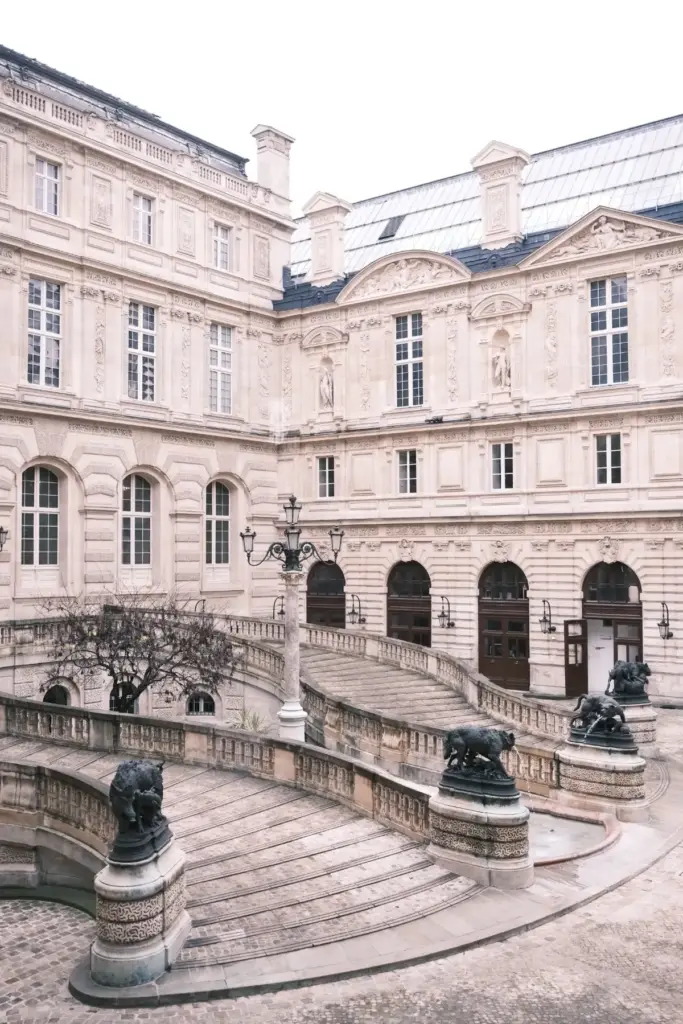
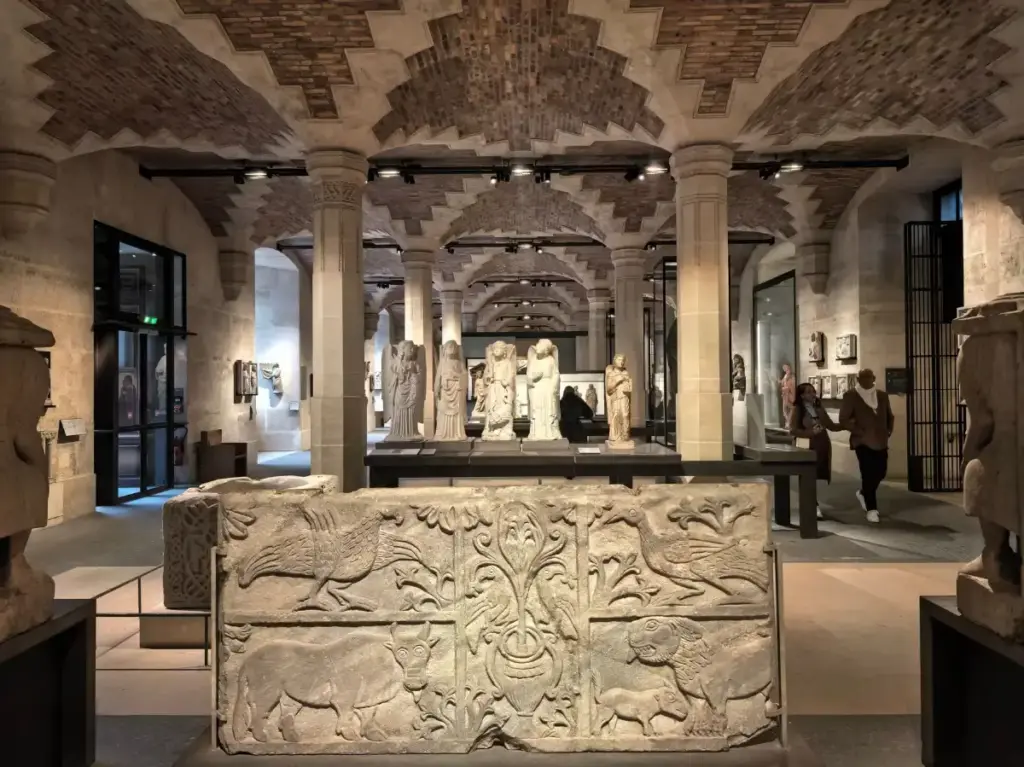
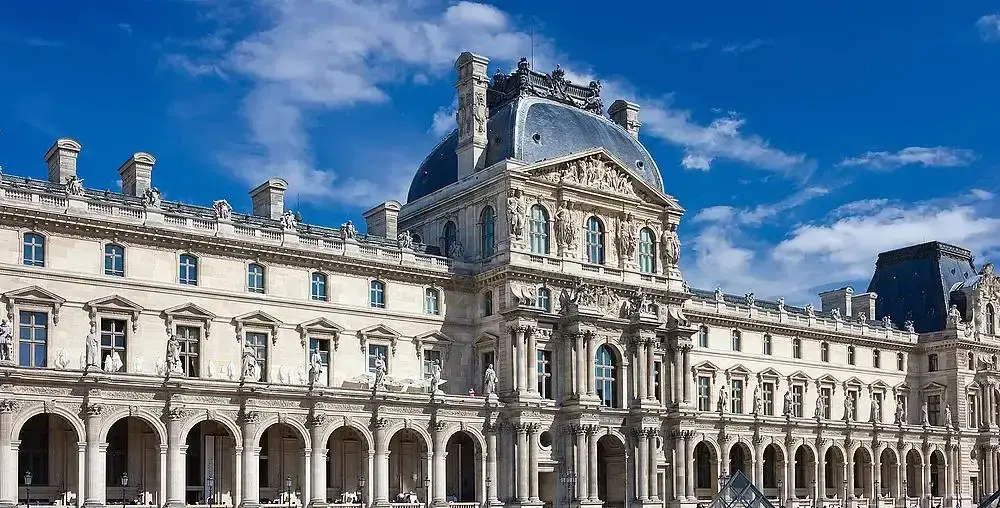
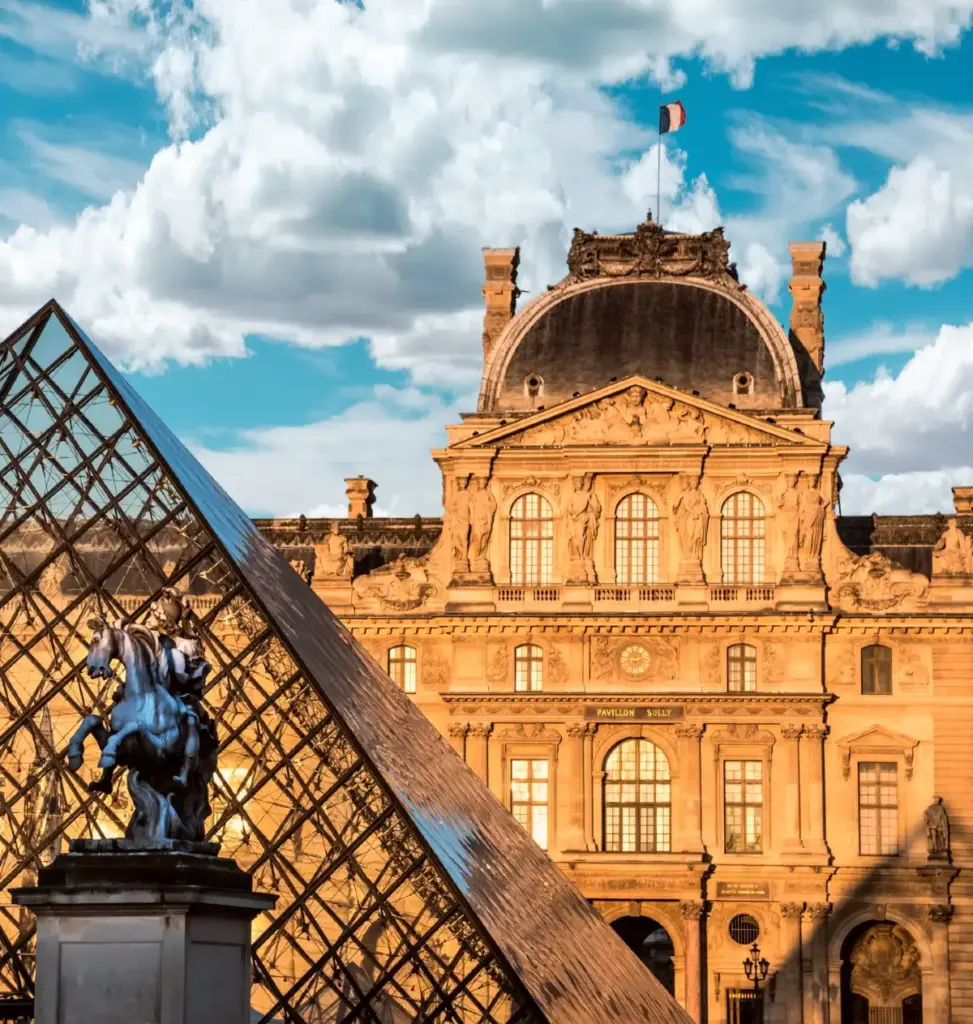
The Louvre was not built to be a museum. It began in the late 12th century as a medieval fortress built by King Philippe Auguste to protect Paris. Over the centuries, it was transformed into a lavish Renaissance palace, home to French monarchs like Louis XIV (before he moved to Versailles). You can still see the remnants of the original medieval moat and fortress walls in the basement of the Sully Wing!
🔺 The Glass Pyramid
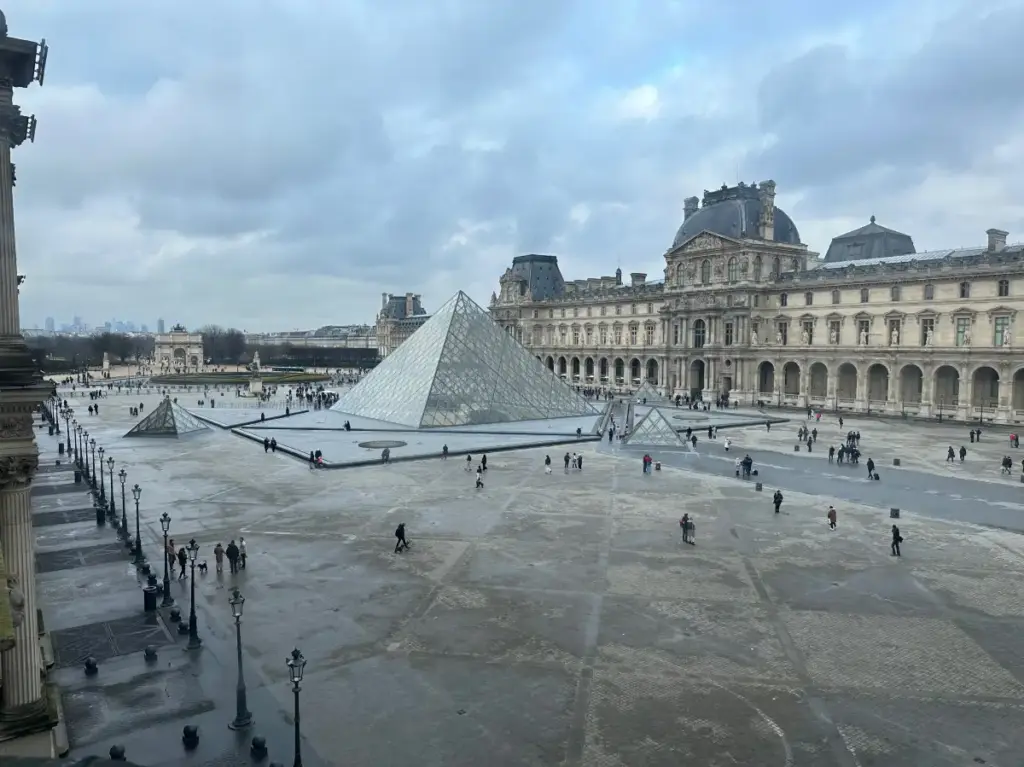
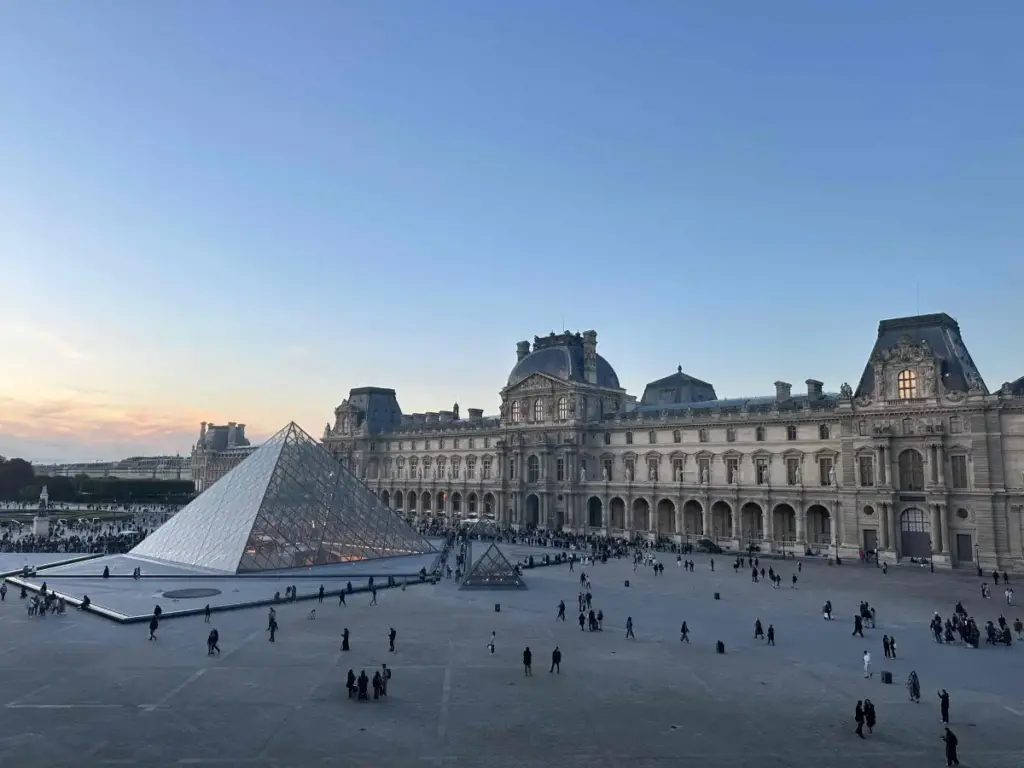
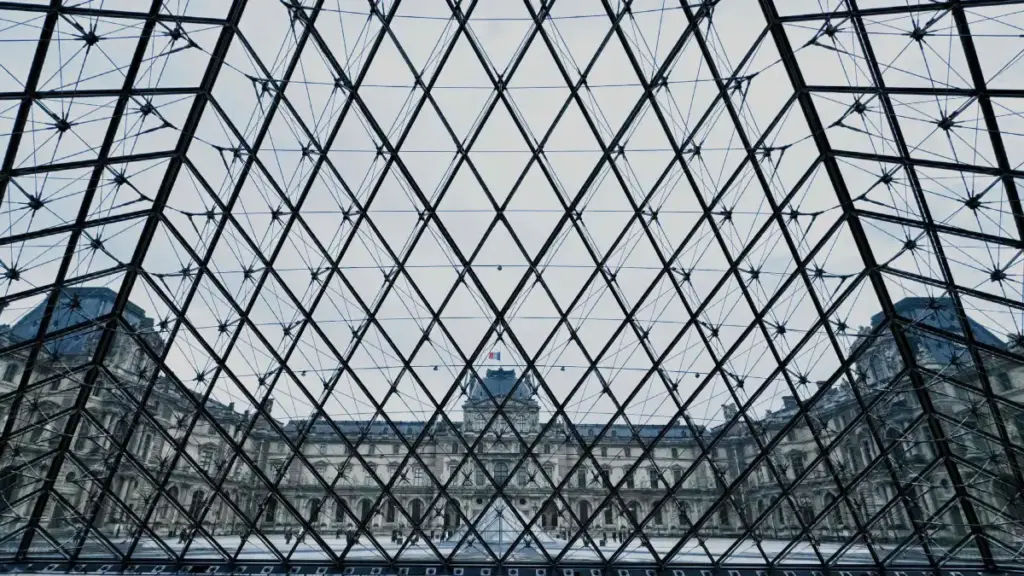
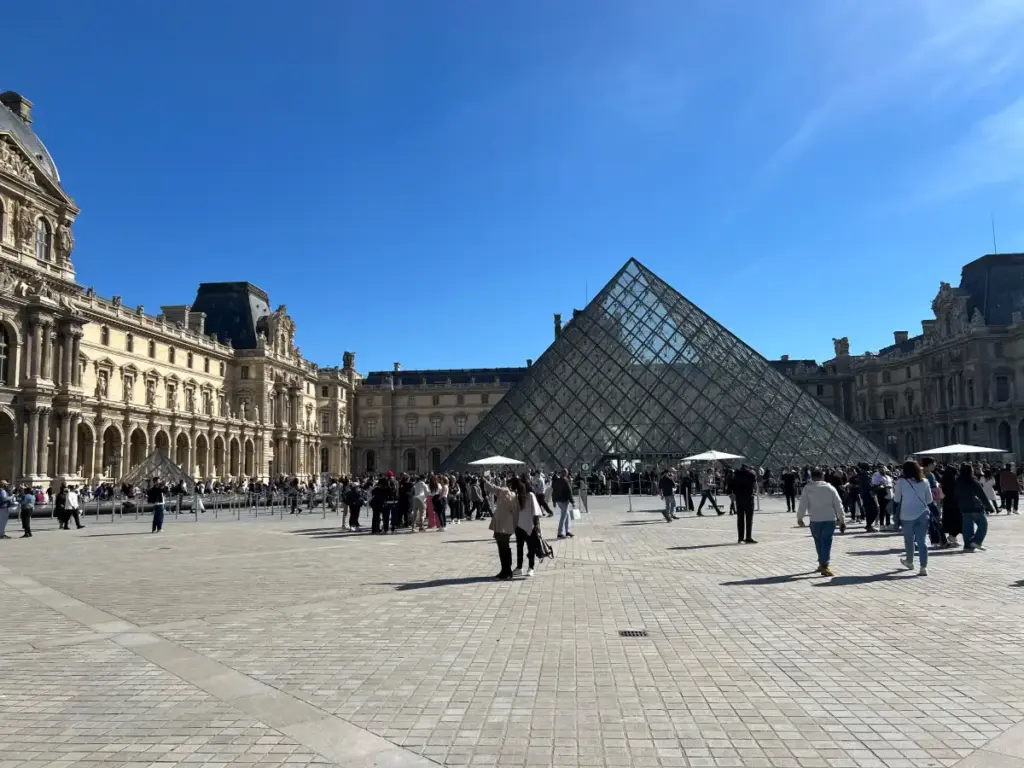
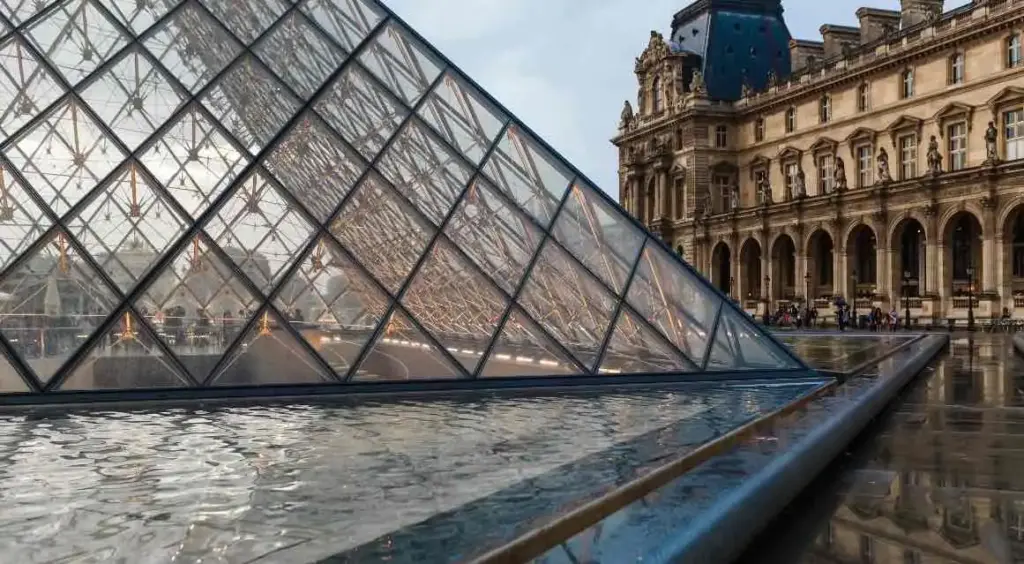
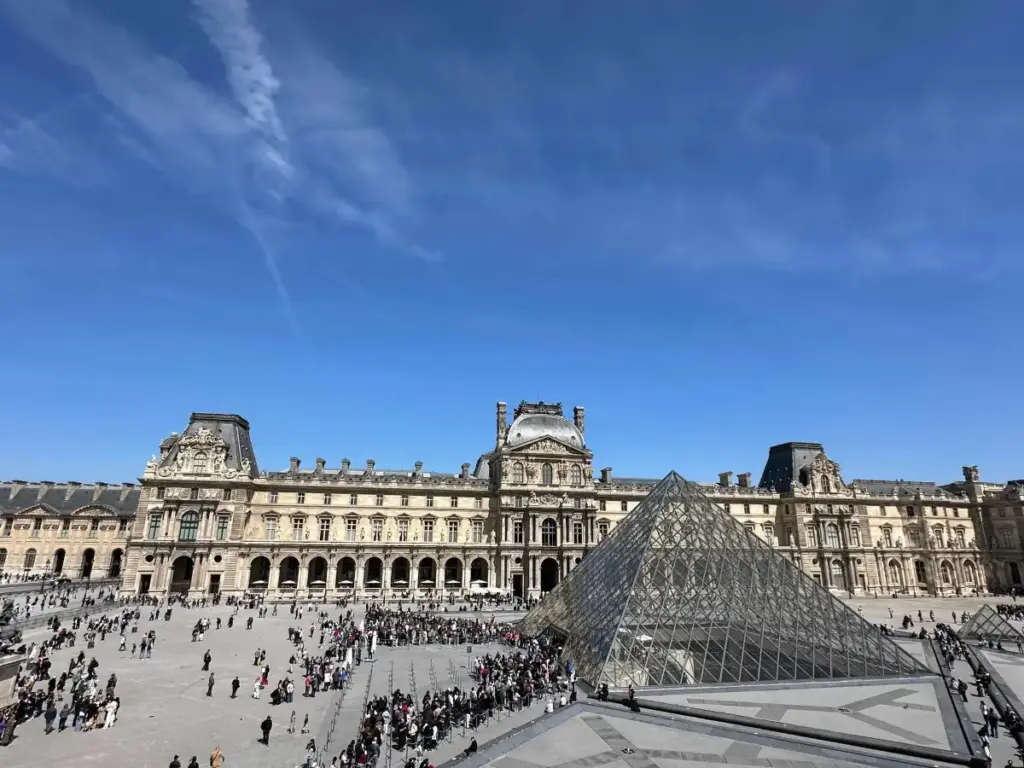
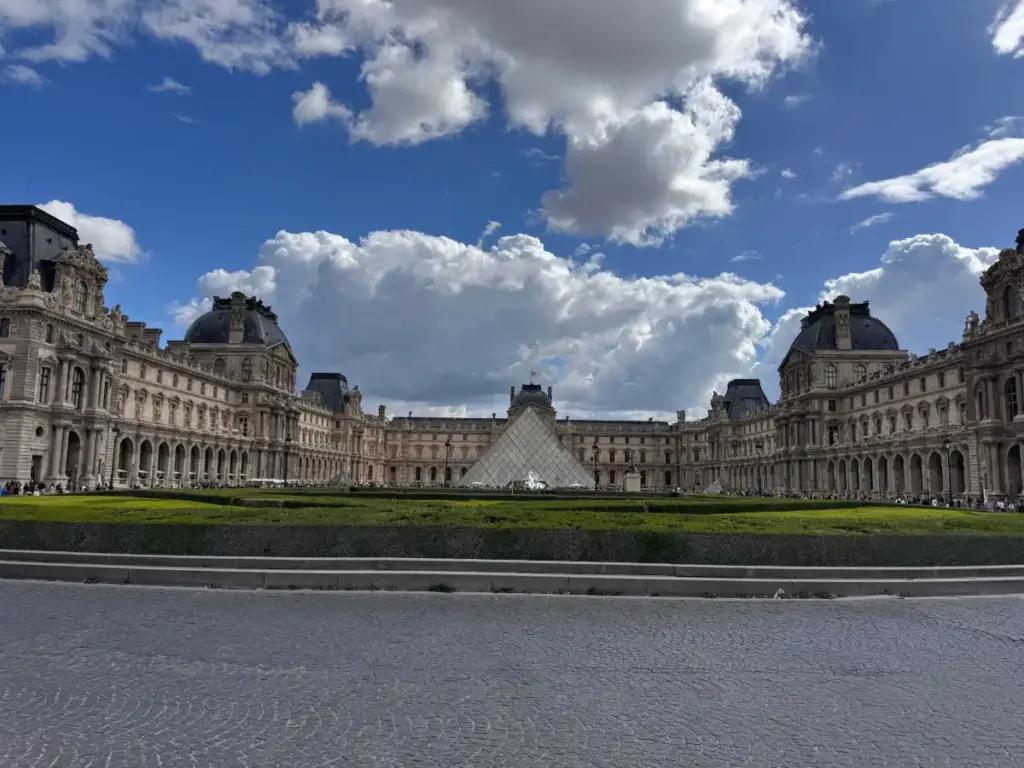
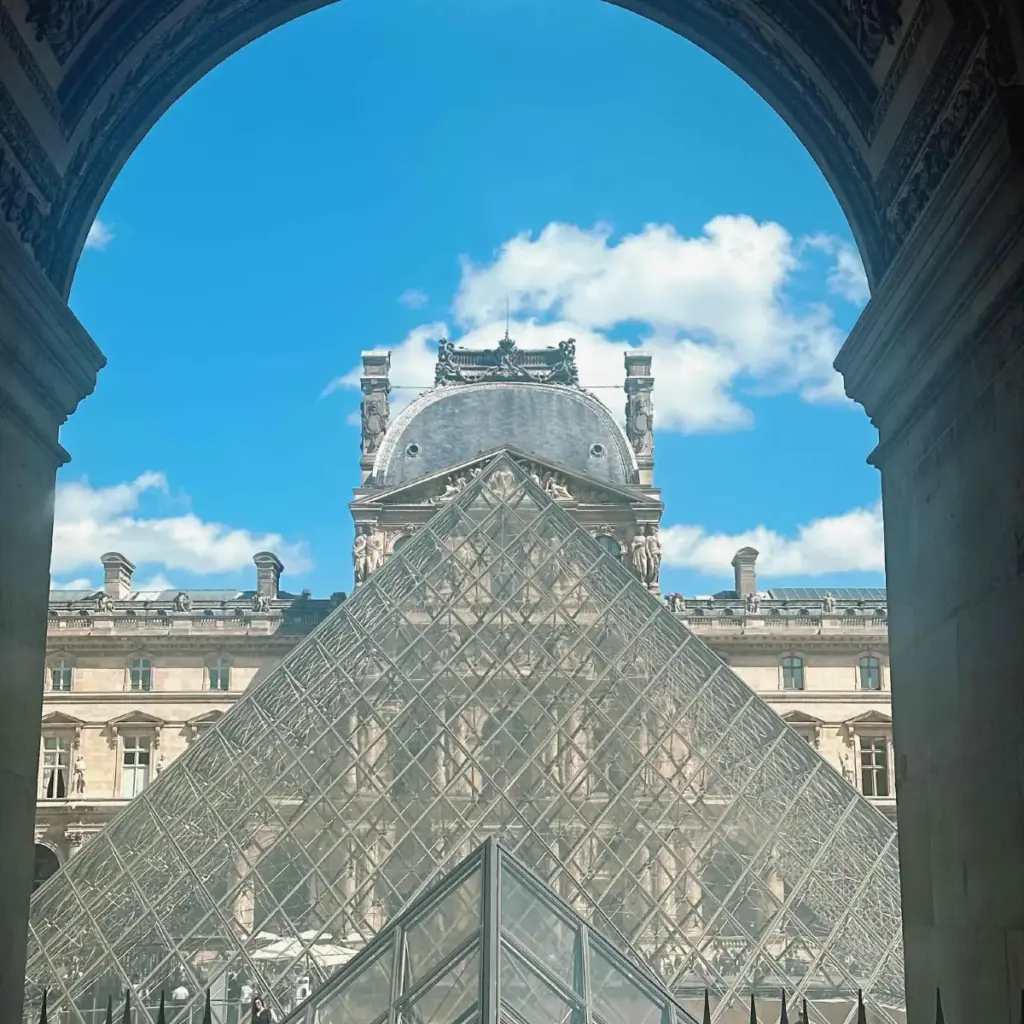
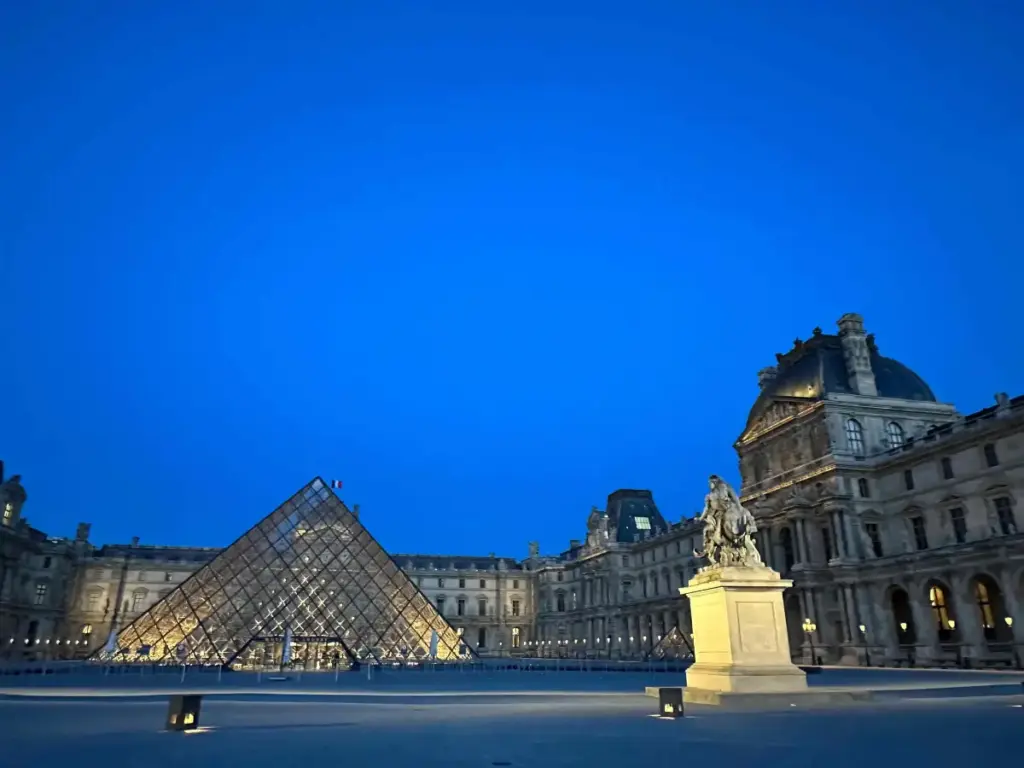
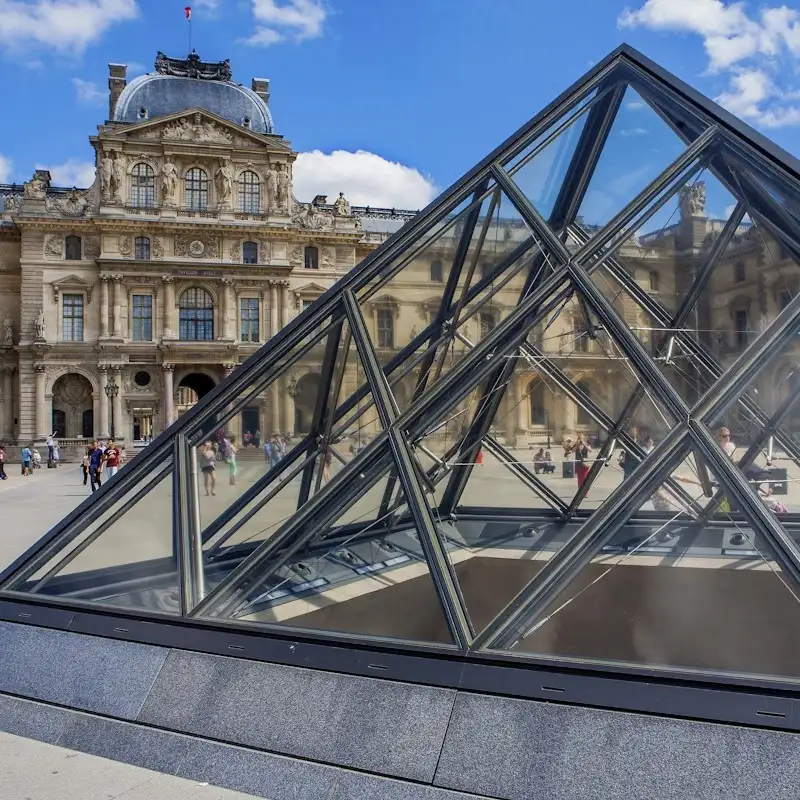
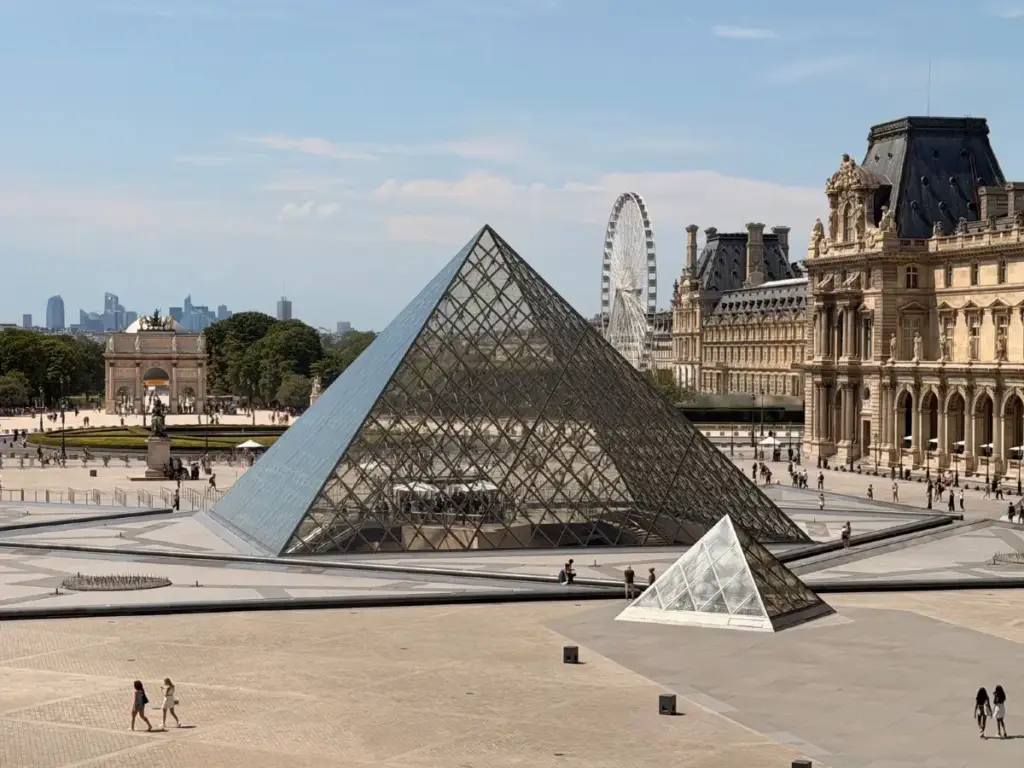
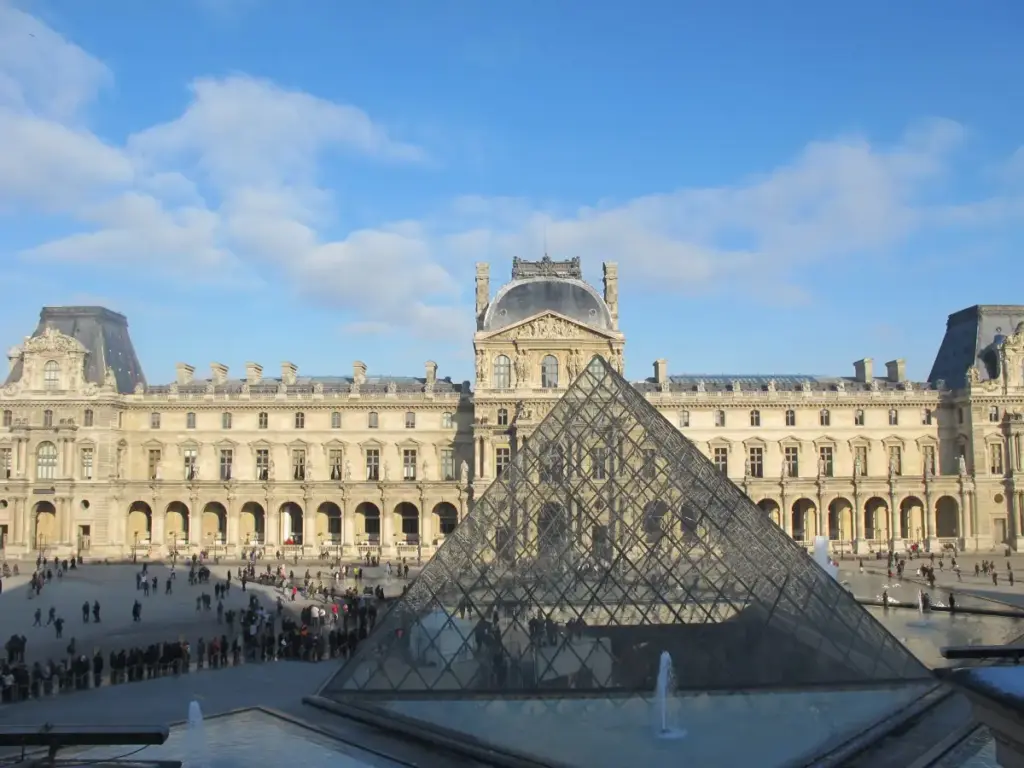
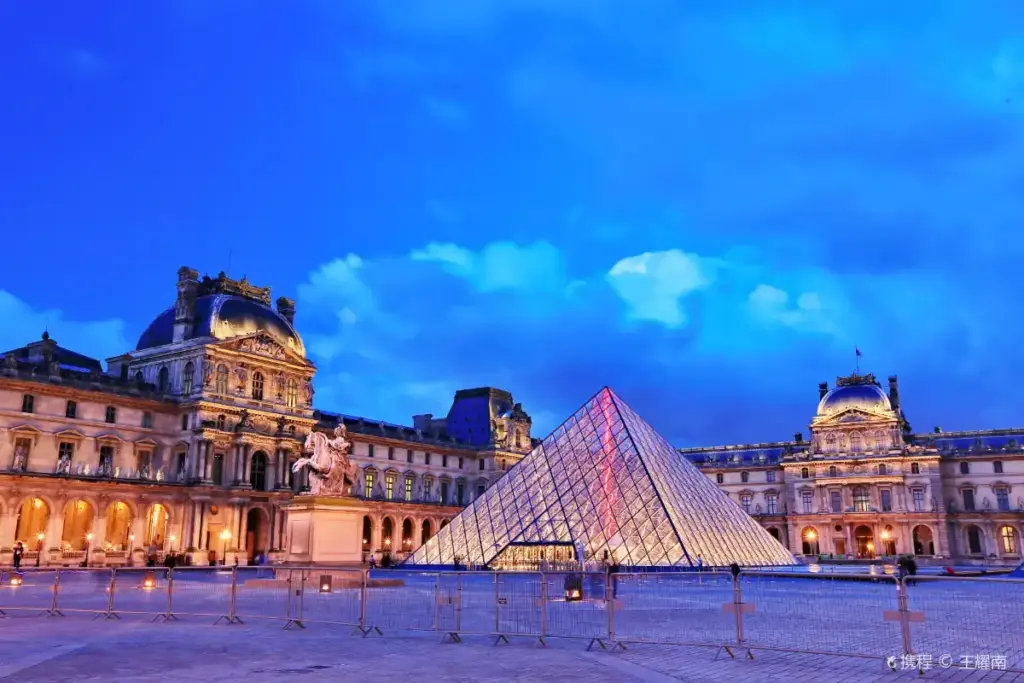
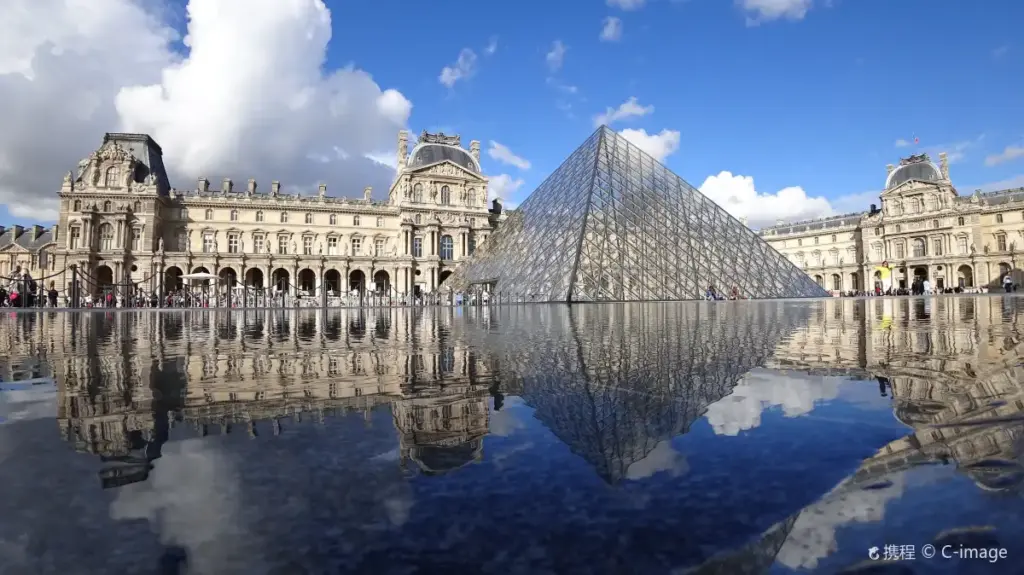
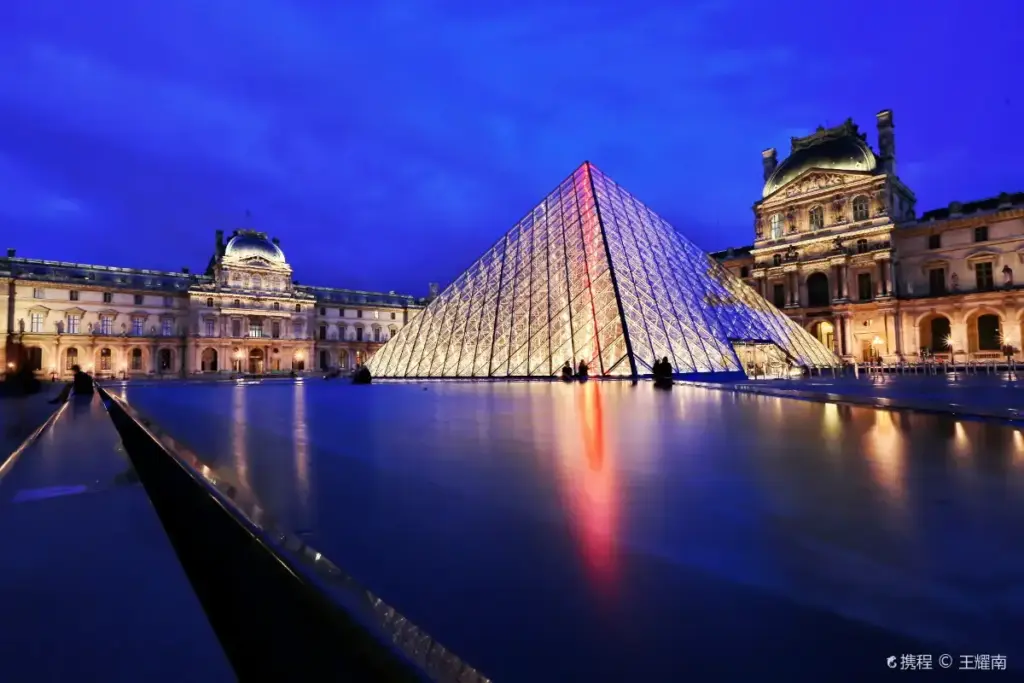
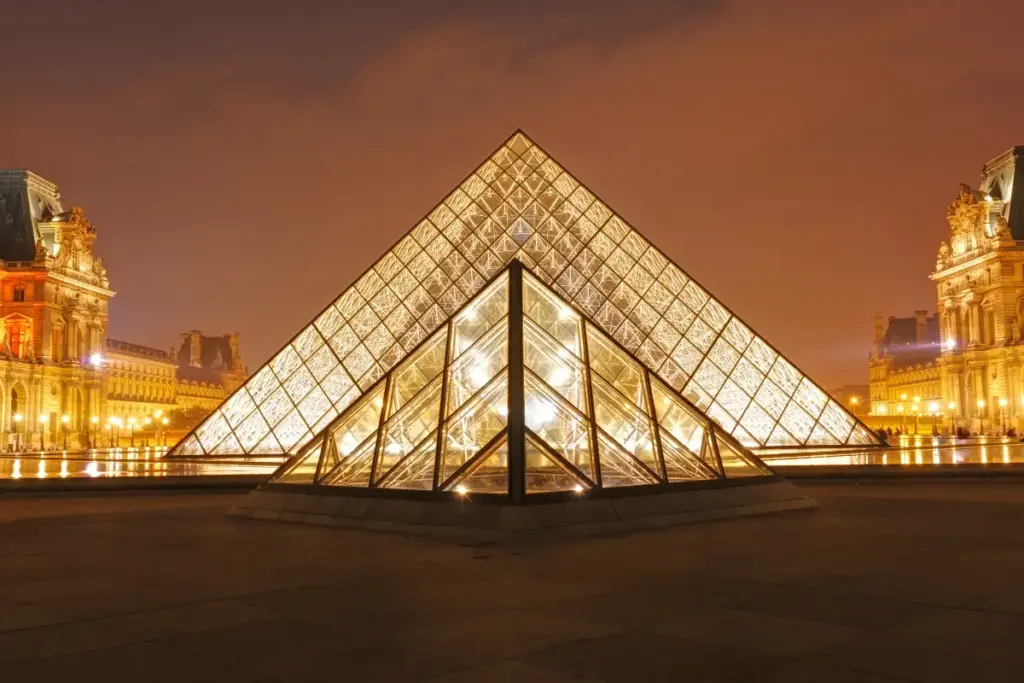
In 1989, Chinese-American architect I.M. Pei unveiled the iconic Glass Pyramid in the central Cour Napoléon. Initially met with fierce controversy by Parisians who thought it would ruin the classic French Renaissance aesthetic, it is now beloved worldwide. It serves as the main skylight and entrance lobby, beautifully reflecting the historic palace facades and the Parisian sky.

🗺️ Section 3: Decoding the Labyrinth (The 3 Wings)
The Louvre is shaped like a giant “U” and is divided into three distinct wings. Knowing which wing holds what is the secret to a stress-free visit.
1. 🏛️ The Denon Wing (The Heavy Hitter)
- Vibe: Crowded, grand, and essential.
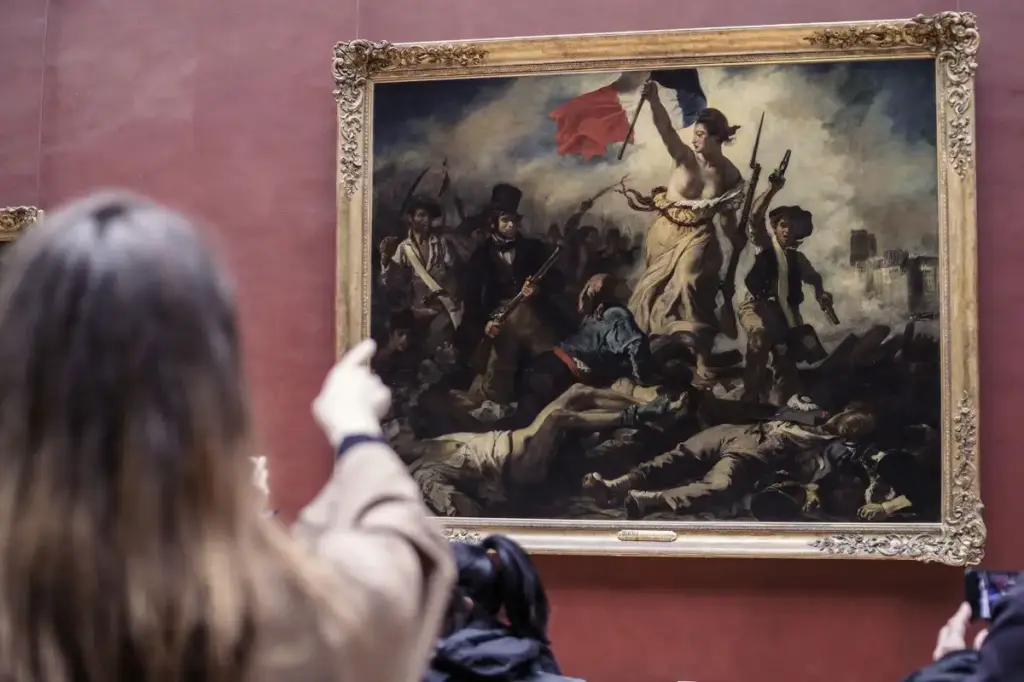
- What’s Here: The Mona Lisa, the Winged Victory of Samothrace, Italian masterpieces (Da Vinci, Botticelli), and French Romanticism (Liberty Leading the People).
- Strategy: Hit this wing first thing in the morning or late on a Friday night to beat the massive tour groups.
2. 🏺 The Sully Wing (The Historic Core)
- Vibe: Ancient, mysterious, and fascinating.
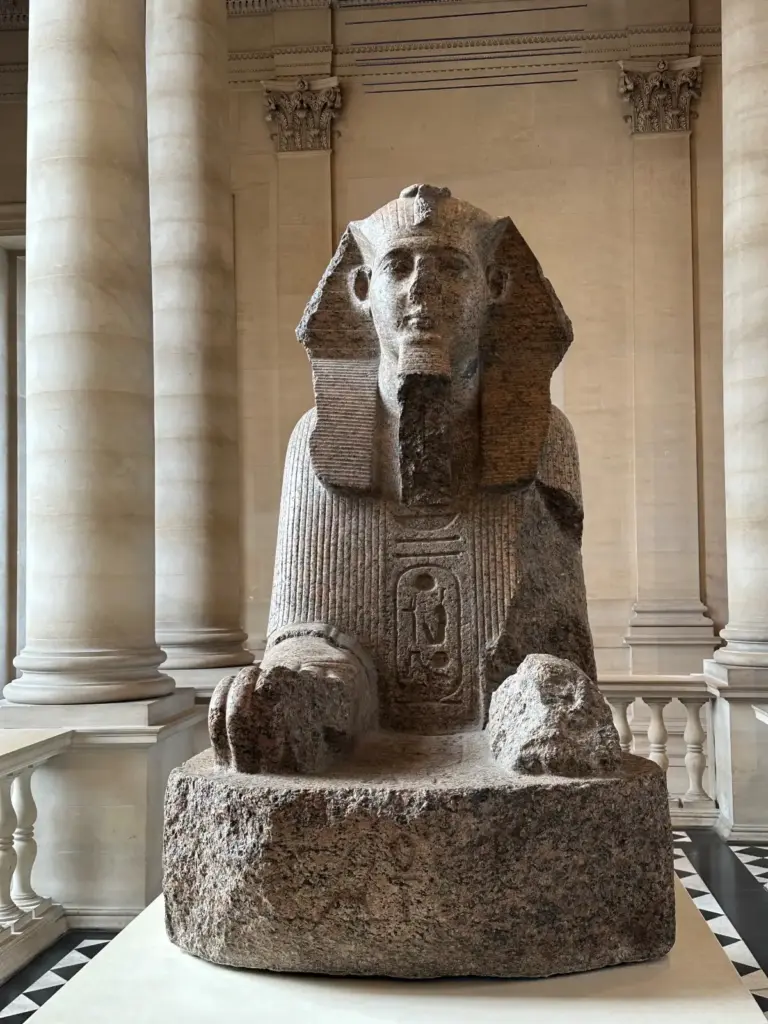
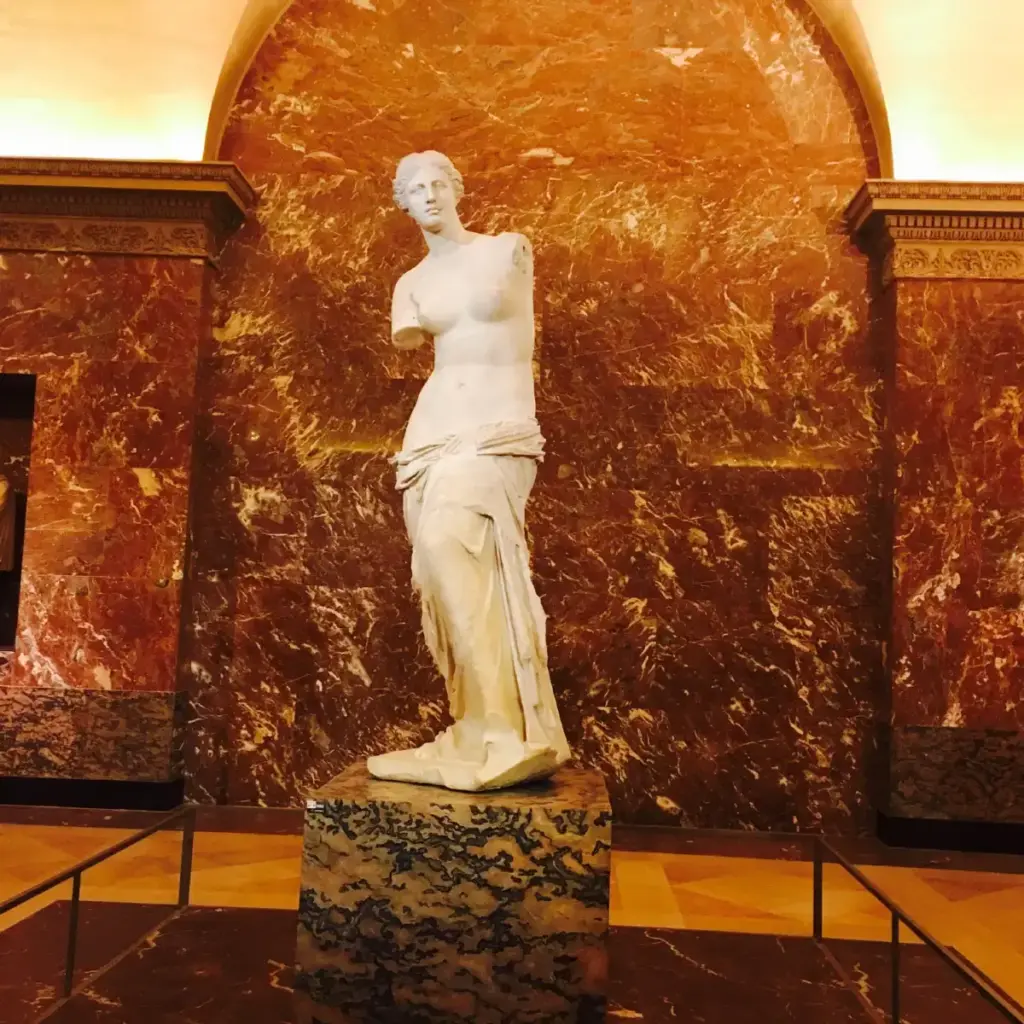
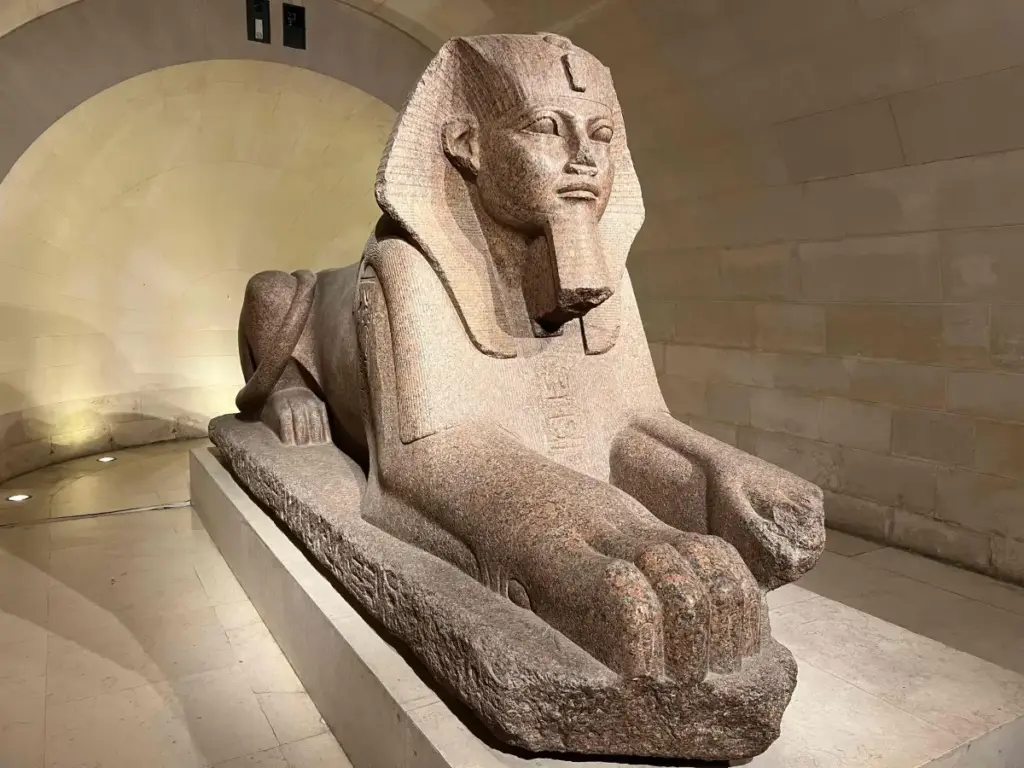
- What’s Here: The Venus de Milo, the Great Sphinx of Tanis, Egyptian Mummies, and the Medieval Louvre foundations.
- Strategy: Perfect for history buffs and families. The Egyptian antiquities section is vast and slightly less chaotic than the Denon wing.
3. 👑 The Richelieu Wing (The Luxurious Escape)
- Vibe: Opulent, quiet, and breathtaking.
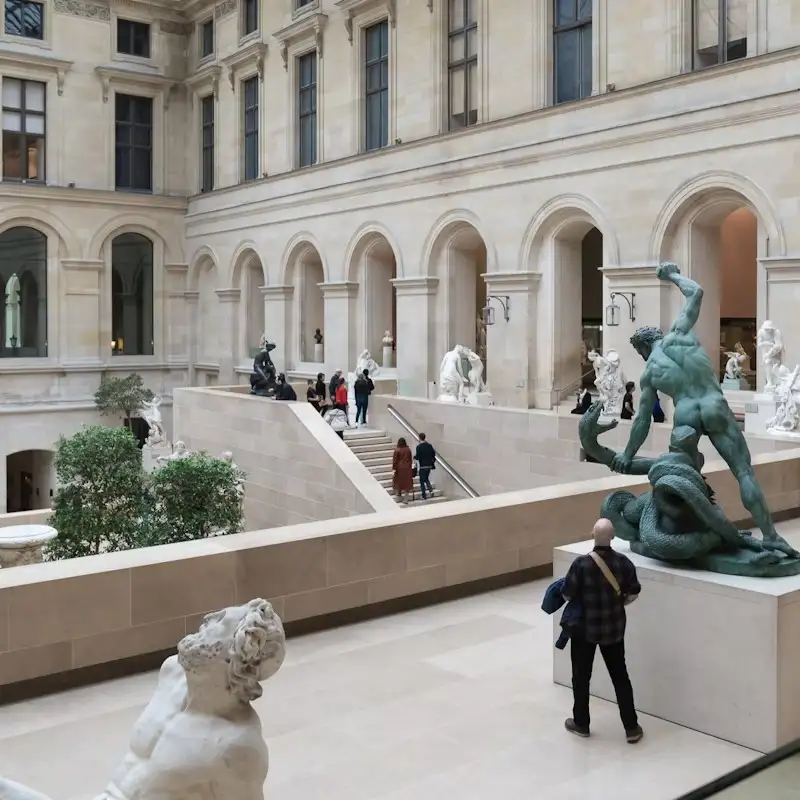
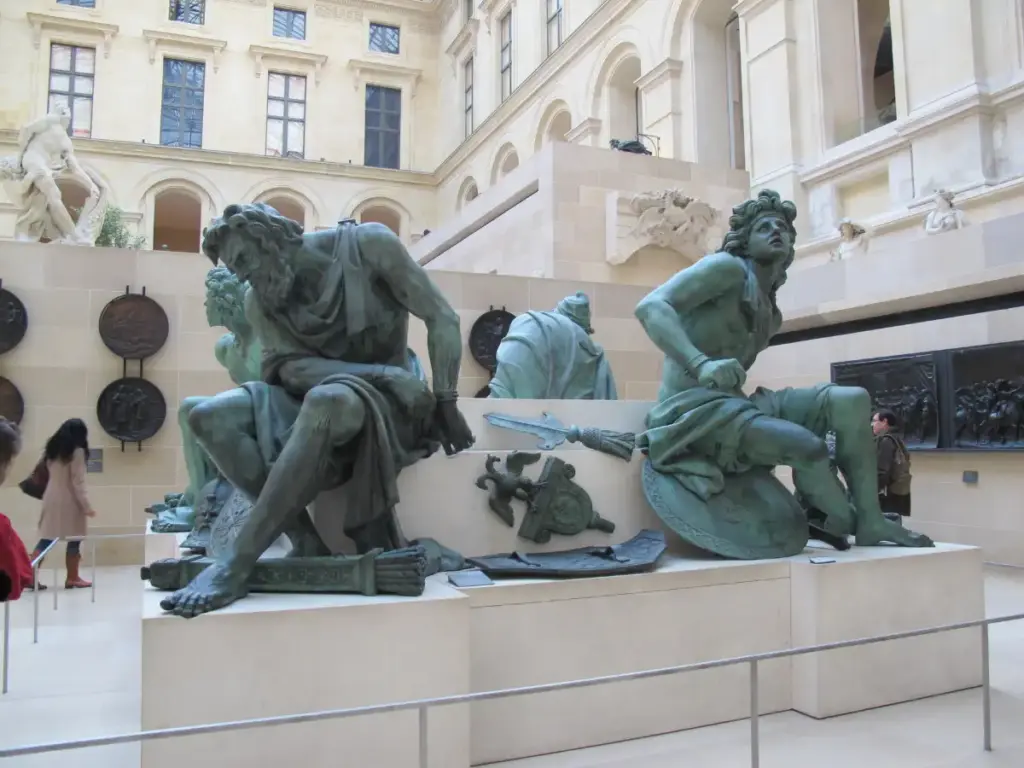
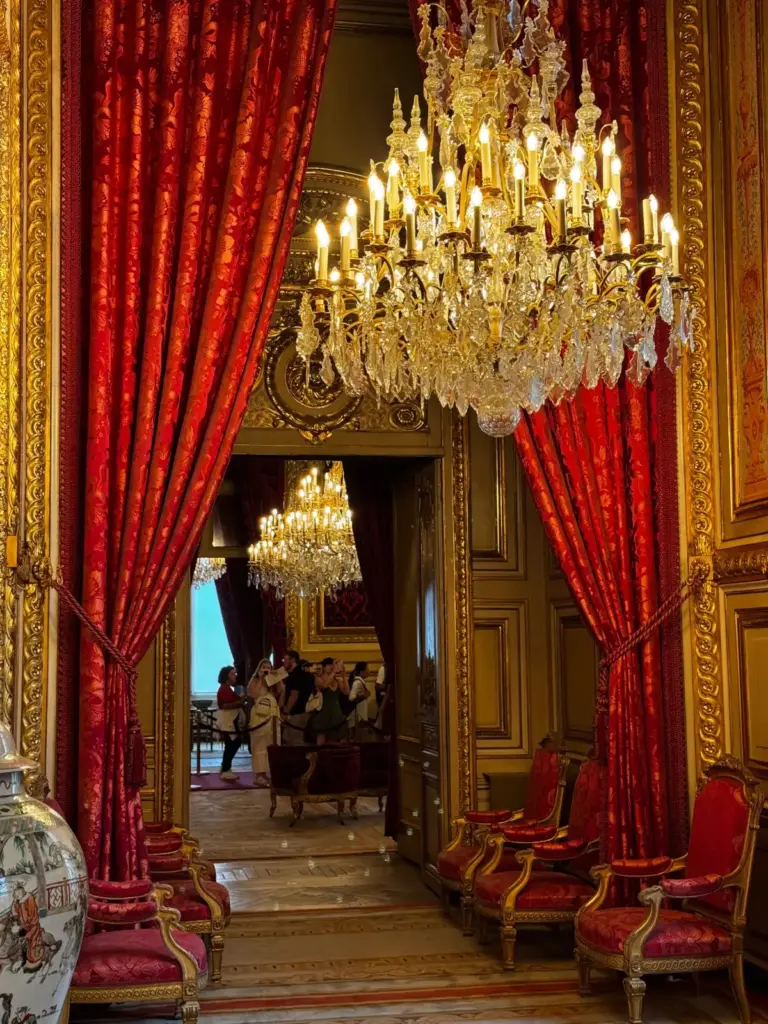
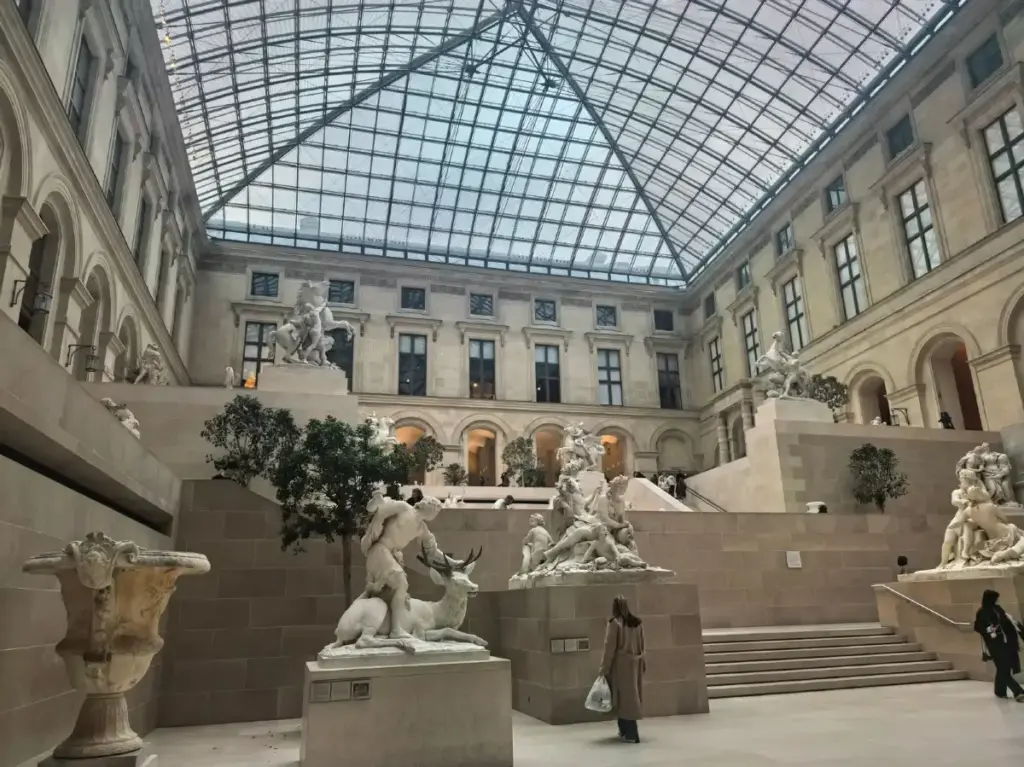
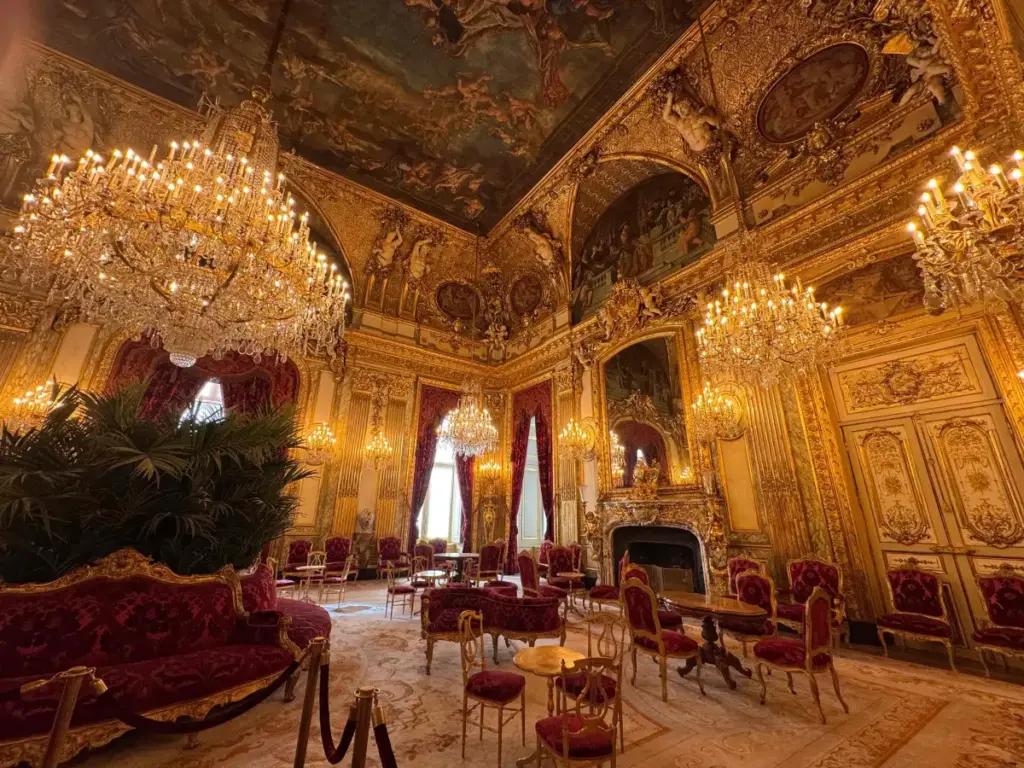
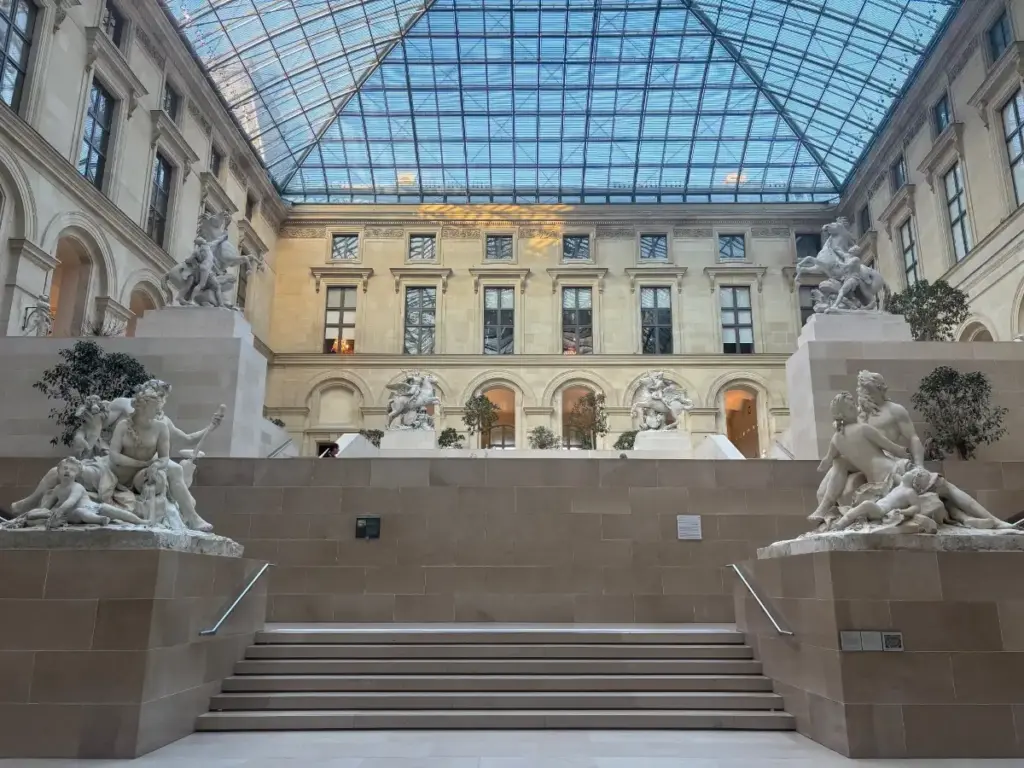
- What’s Here: The Napoleon III Apartments (pure gold-leaf luxury), French Sculpture courtyards (Cour Marly), and Northern European masters (Vermeer, Rembrandt).
- Strategy: If you are experiencing “Mona Lisa crowd fatigue,” flee to the Richelieu wing. It is the quietest and most visually stunning wing for photography.
🖼️ Section 4: The “Big Three” & Hidden Gems
While thousands of masterpieces line the walls, 90% of visitors are hunting for the “Big Three.” Here is where to find them, plus a few hidden gems you shouldn’t miss.
🌟 The Big Three
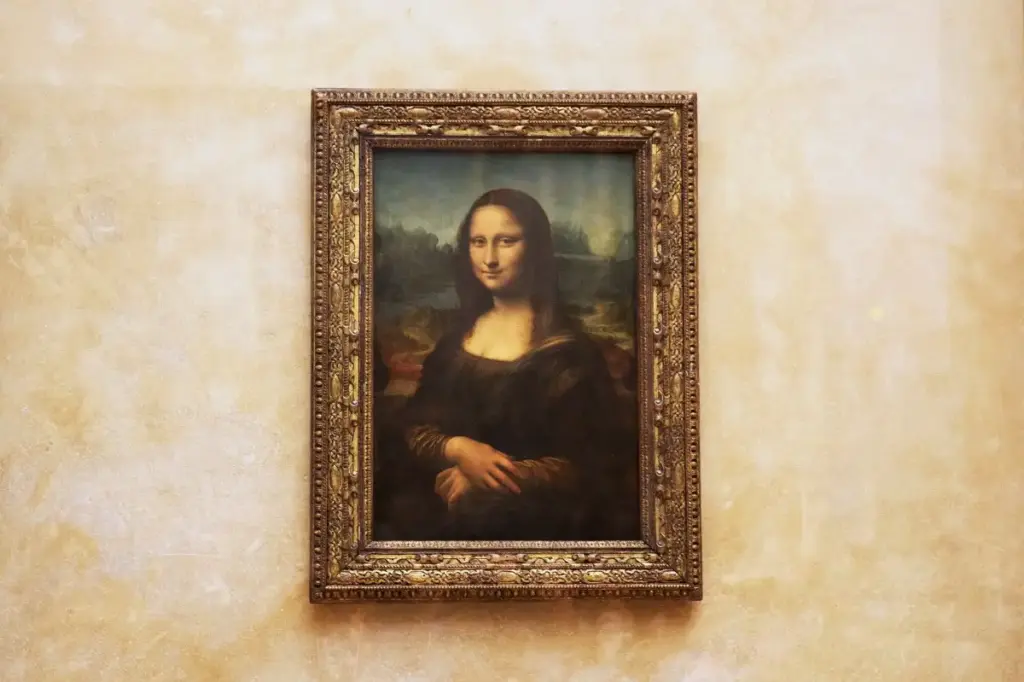
- The Mona Lisa (La Gioconda) 🖼️
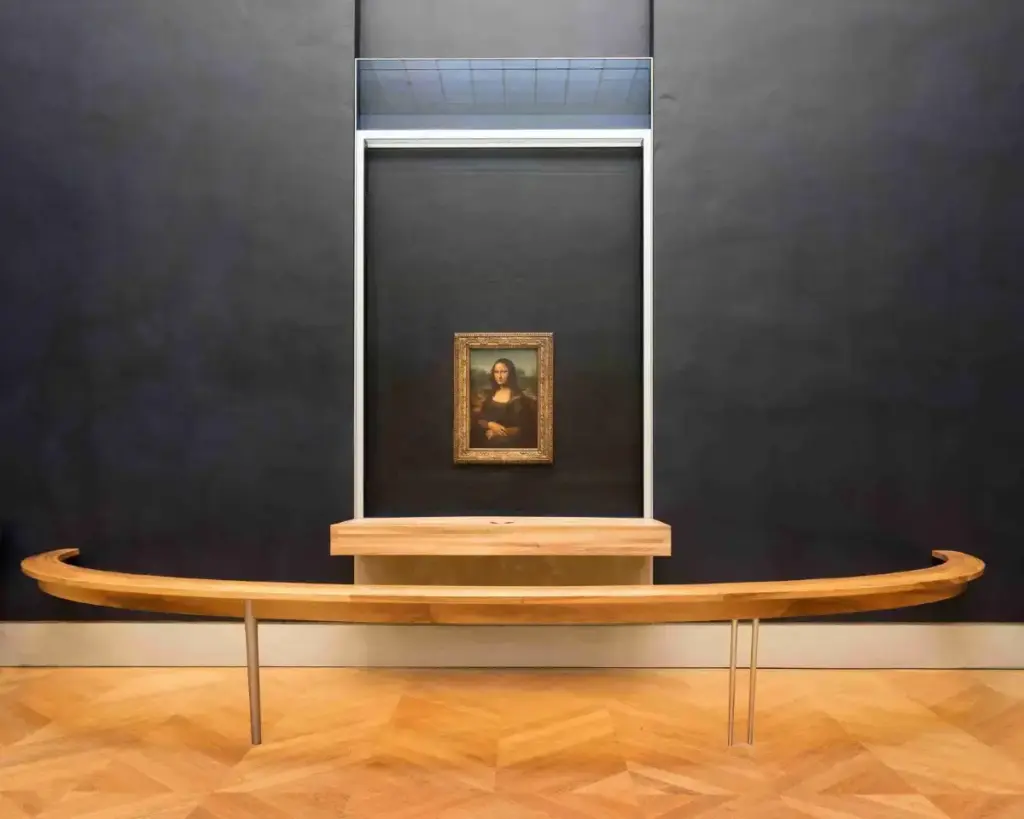
- Location: Denon Wing, 1st Floor, Salle des États.
- The Reality: She is much smaller than you think, protected by bulletproof glass, and surrounded by a sea of smartphones. Get your photo, appreciate the sfumato technique, and move on!
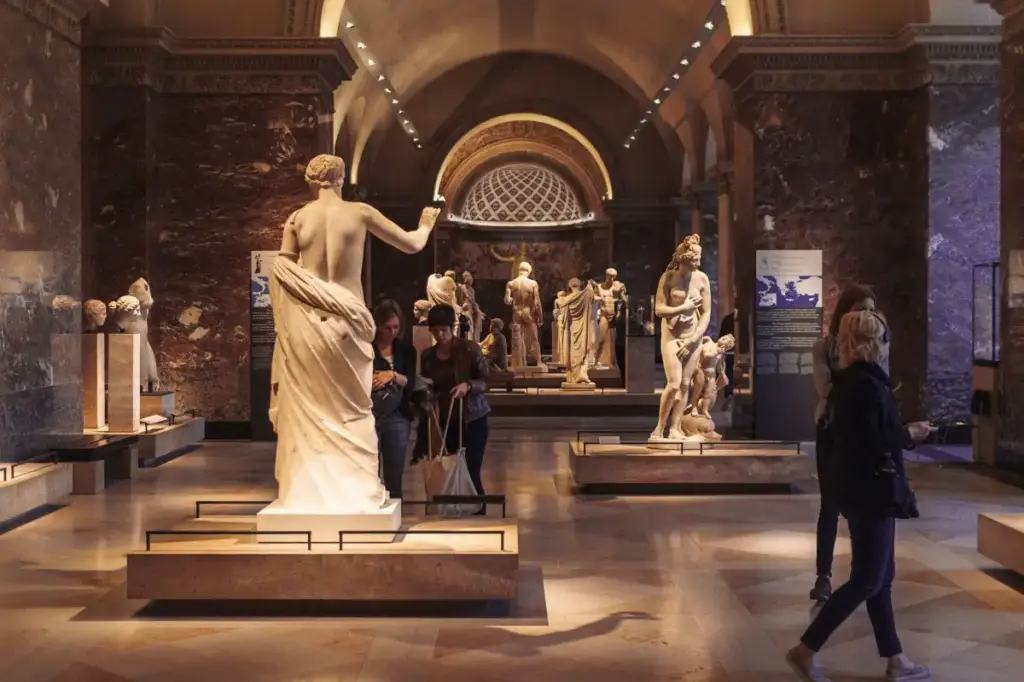
- The Venus de Milo 🗿
- Location: Sully Wing, Ground Floor.
- The Reality: This ancient Greek statue of Aphrodite is mesmerizing. The missing arms only add to her mystique. The room is usually busy, but the circular layout allows you to view her from all angles.
- The Winged Victory of Samothrace 🪽
- Location: Denon Wing, Daru Staircase.
- The Reality: Arguably the most dramatic placement of art in the world. As you walk up the grand stone staircase, the headless, winged goddess appears to be landing on the prow of a ship, her marble drapery blowing in an ancient sea breeze.
💎 The Hidden Gems (Skip the Crowds!)
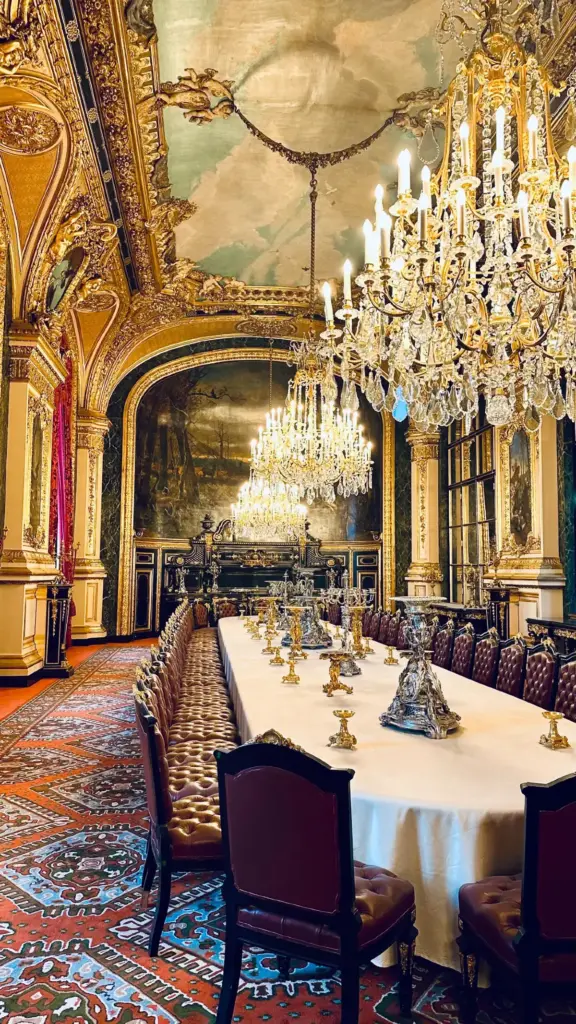
- The Napoleon III Apartments (Richelieu Wing): Step into the Second Empire’s insane wealth. Massive chandeliers, red velvet, and gold everywhere. It looks exactly as it did in the 1860s.
- The Raft of the Medusa (Denon Wing): Théodore Géricault’s massive, terrifying, and emotionally gripping painting about a real-life shipwreck.
- The Code of Hammurabi (Richelieu Wing): One of the oldest and most complete written legal codes in human history, carved into a massive black basalt stele from ancient Babylon.
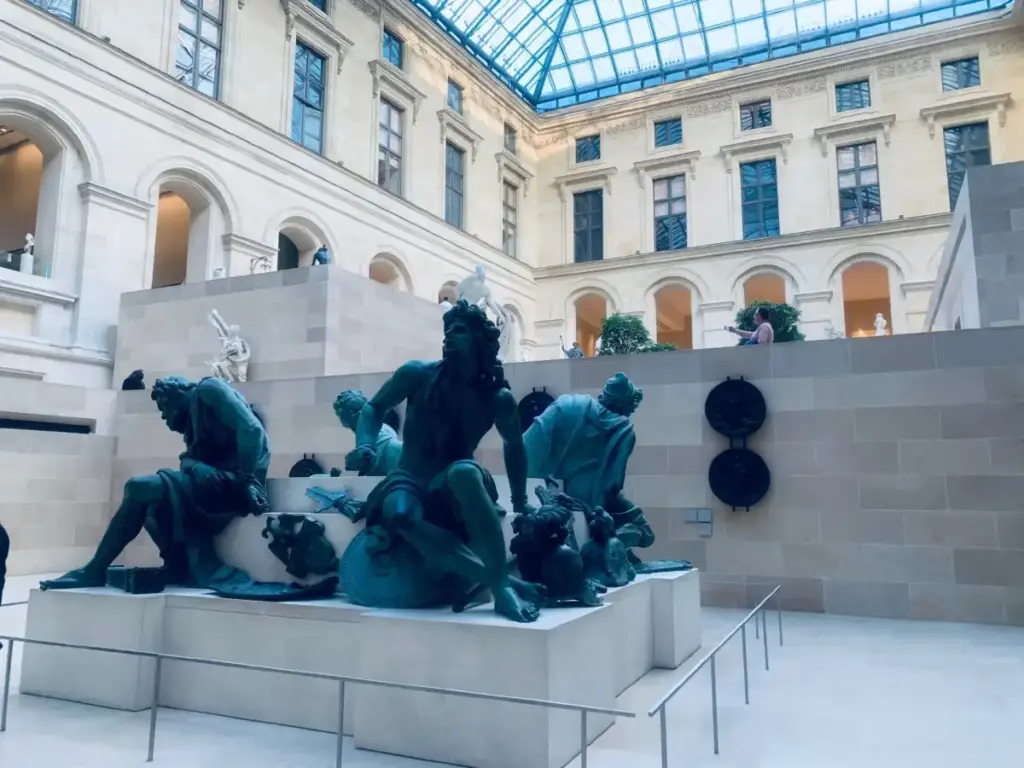
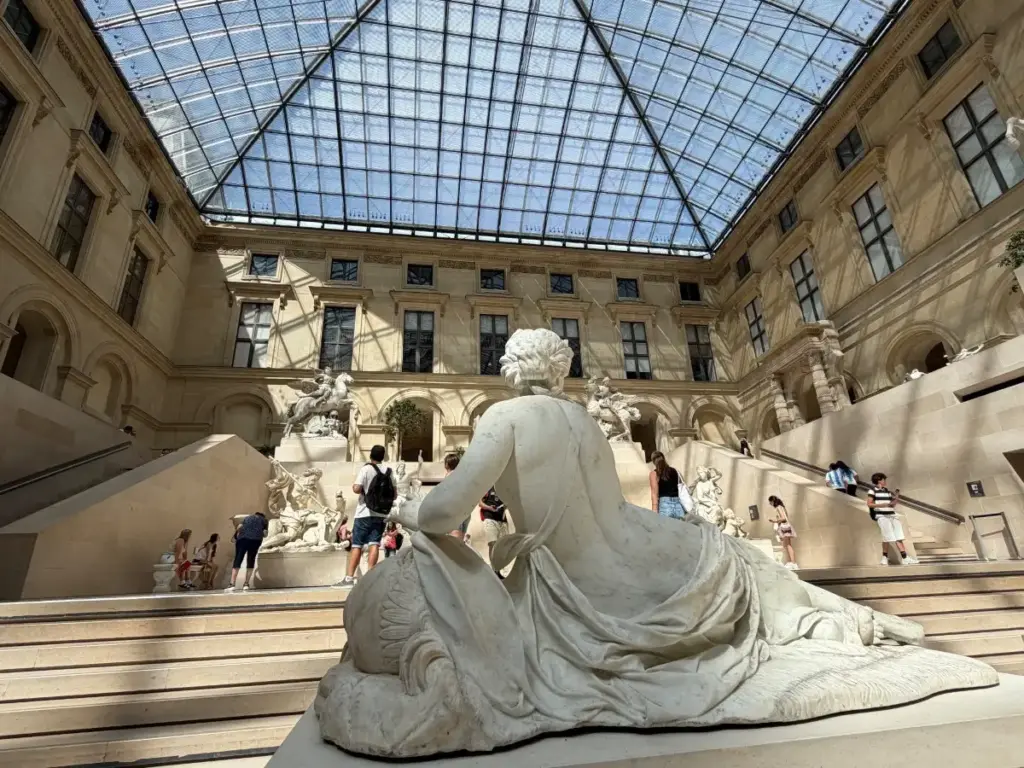
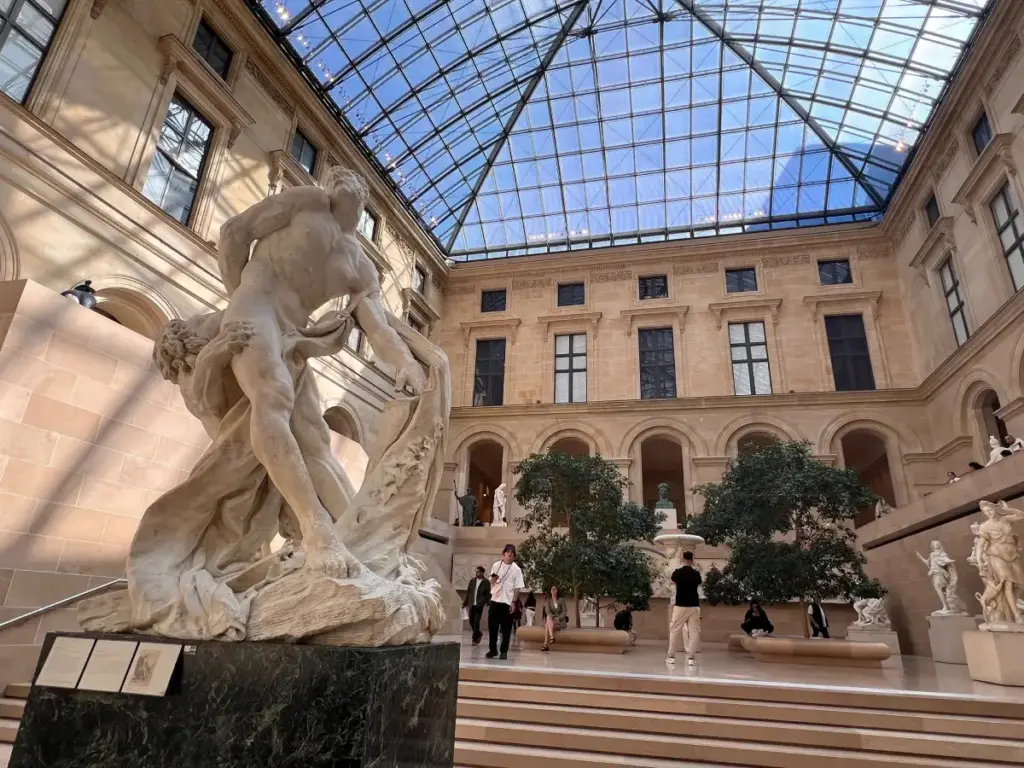
- Cour Marly (Richelieu Wing): A stunning glass-roofed courtyard filled with white marble French sculptures. The natural light makes it a photographer’s dream.
🚪 Section 5: Entrance Hacks (How to Skip the Line)
The main Glass Pyramid entrance is iconic, but the security line here can easily take 60 to 90 minutes during peak hours. Here is how the pros get inside:
- 🛍️ The Carrousel du Louvre Hack: Head to the underground shopping mall at 99 Rue de Rivoli. Take the escalators down to the “Inverted Pyramid.” The security line here is indoors and usually 50% shorter than the outdoor courtyard line.
- 🦁 Porte des Lions (Lions Gate): Located on the southern side facing the Seine. If it is open (it sometimes closes for operational reasons), this entrance drops you directly into the Denon Wing, steps away from the Mona Lisa. Note: No cloakroom or ticket desks here; you must have your e-ticket ready.
- 🎩 Passage Richelieu: Strictly reserved for museum members, specific guided groups, and visitors with mobility/accessibility needs.
🎒 Section 6: The Louvre Survival Guide
The Louvre is a marathon, not a sprint. Follow these practical tips to keep your energy high and your mood positive.
👟 Dress for the Marathon
You will easily walk 15,000 to 20,000 steps on hard marble and stone floors. Leave the heels and stiff dress shoes at the hotel. Wear your most supportive, broken-in sneakers. Dress in layers, as the museum can be chilly in the halls but stuffy in the crowded painting galleries.
🎒 Baggage & Lockers
Large suitcases, hiking backpacks, and large umbrellas are not allowed inside the galleries. You must check them at the free cloakroom (vestiaire) under the Pyramid.
- Pro Tip: Travel with a small crossbody bag or tote so you can bypass the cloakroom lines entirely!
📱 Download Offline Maps
The Louvre’s thick 12th-century stone walls and underground bunkers completely block cell service and Wi-Fi in many areas. Download the official Louvre app or screenshot your interactive map before you pass through security, or you will get lost.
🍽️ Food & Hydration
You cannot eat inside the galleries. However, there are cafes inside the museum:
- Café Richelieu: A beautiful, sit-down cafe with views of the courtyard (pricey but great for a rest).
- Food Court (Carrousel): Located underground before security, featuring Paul (for croissants/sandwiches), Starbucks, and quick bites.
- Bring a small, sealable water bottle. You can refill it at water fountains located near the restrooms.
⏱️ Section 7: Choose Your Itinerary
🏃♂️ The 2-Hour “Highlight Sprint”
Perfect for: Families with young kids, layover travelers, or those with low “museum stamina.”
- Enter via Carrousel or Porte des Lions.
- Head straight to the Denon Wing.
- Walk up the Daru Staircase to see the Winged Victory.
- Navigate to the Salle des États for the Mona Lisa.
- Grab a quick photo of the Venus de Milo in the Sully Wing.
- Exit and grab a crêpe in the Tuileries Garden!
🕵️♀️ The 4-Hour “Deep Dive Explorer”
Perfect for: Art lovers, history buffs, and couples.
- Start in the Sully Wing basement to see the Medieval Moat foundations.
- Move up to the Egyptian Antiquities to see the Great Sphinx and mummies.
- Cross over to the Richelieu Wing to marvel at the Napoleon III Apartments and the serene sculptures of the Cour Marly.
- Finish in the Denon Wing to see the grand Italian galleries and French Romantic masterpieces like The Raft of the Medusa.
❓ Section 8: Frequently Asked Questions (FAQ)
Q: Can I leave the Louvre for lunch and come back in? A: No. Louvre tickets are strictly single-entry. Once you scan out, your ticket is void. Plan to eat at the underground mall or the internal cafes if you need a break.
Q: Is there a dress code? A: There is no official dress code, but remember you are in a public, family-friendly national museum. Wear comfortable, respectful clothing.
Q: Can I take photos of the art? A: Yes! Photography for personal use is allowed in the permanent collections. However, flash, selfie sticks, and tripods are strictly banned to protect the art and the flow of foot traffic.
Q: Is the Louvre wheelchair and stroller accessible? A: Yes, the museum is highly accessible with elevators and ramps throughout. Free wheelchairs and strollers can be borrowed from the information desk under the Pyramid (ID required).
Q: When is the Louvre free? A: Entry is free for everyone on the first Friday of the month after 6:00 PM (no reservation required, but expect massive lines). It is also free for all visitors on Bastille Day (July 14th). Children under 18 and EU residents under 26 get in free year-round, but must still book a free timed-entry slot online.
🏁 Embrace the Magic
The Louvre Museum is a testament to human genius, spanning from the banks of the ancient Nile to the studios of the Renaissance. Yes, it is massive. Yes, it can be crowded. But there is a profound, spine-tingling magic in standing just inches away from a canvas painted by Leonardo da Vinci, or looking up at marble that was carved by Greek hands over two millennia ago.
Plan ahead, book your tickets early, wear your best walking shoes, and let the greatest museum in the world cast its spell on you.
Bon voyage et bonne visite! 🥐🍷🎨
*📌 Save this guide to your Pinterest board or bookmark it for your upcoming Paris itinerary!